A wave of controversy has erupted following a speech by former Bhopal MP Pragya Singh Thakur, in which she urged Hindu parents to prevent their daughters from visiting the homes of “non-Hindus” and suggested that if they disobey, their legs should be broken. The remarks, delivered at a religious gathering in Bhopal, have sparked strong condemnation and raised serious concerns about communal harmony and hate speech.
Thakur’s address reportedly included language instructing parents to “leave no stone unturned in considering breaking her legs” if their daughter disregards parental instructions and visits someone from a different faith. In the video that circulated online, she said: “If our girl tries to go to a non-Hindu man, do not spare breaking her legs… someone who does not follow our values… must be disciplined.” These remarks were captured and widely shared.
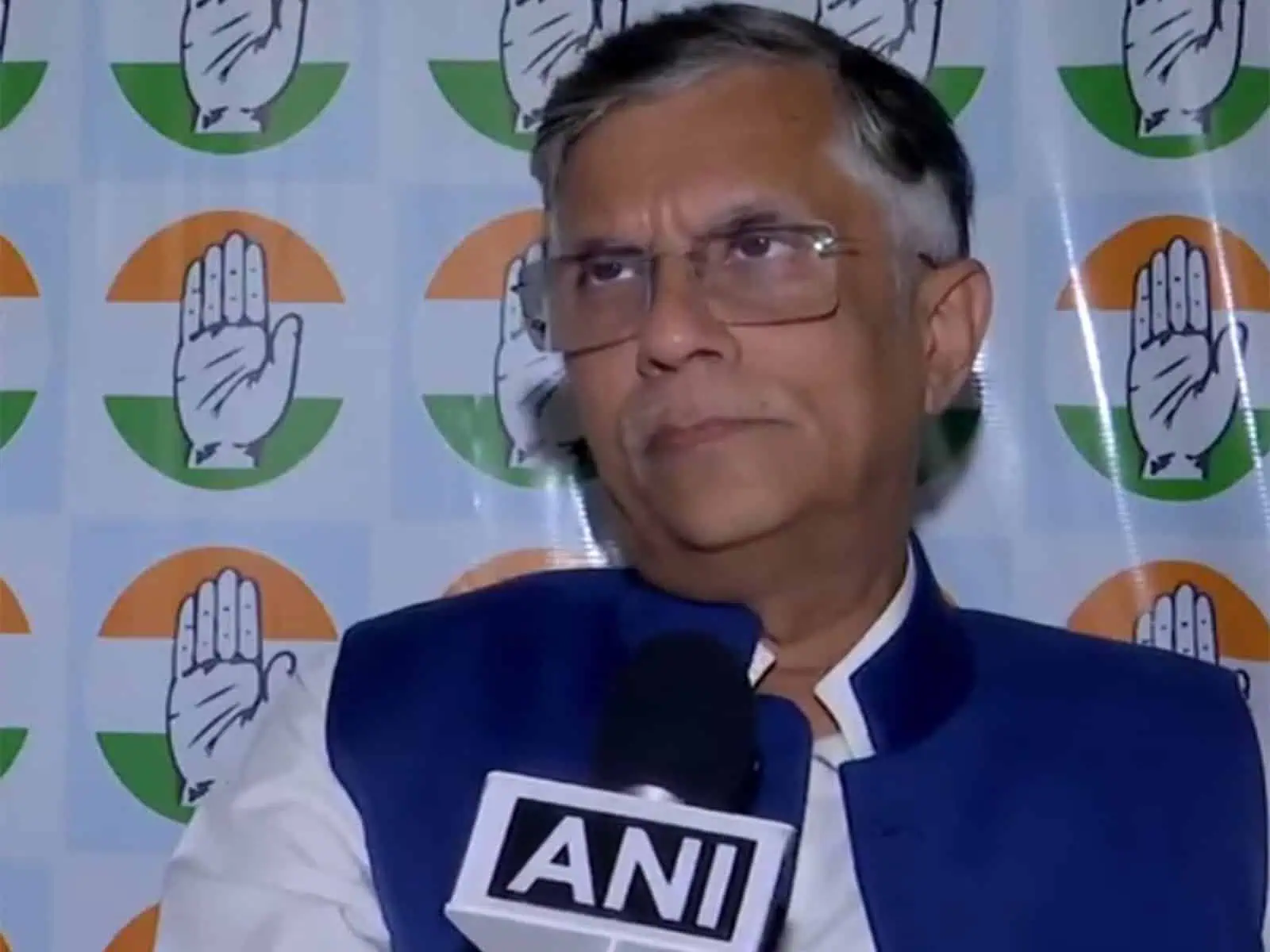
Opposition leader Indian National Congress quickly responded, accusing the ruling party, Bharatiya Janata Party, of permitting or promoting “hatred” and communal division by allowing such rhetoric to surface. A Congress spokesperson asked whether such statements would apply equally to daughters of BJP leaders who have married outside the faith, emphasising a perceived double standard.
Supporters of Thakur argue that her words were meant to protect cultural and familial values — particularly within a framework of what they describe as “honour” and preservation of community traditions. They say her intent was not to incite violence but to stress parental responsibility and vigilance. Yet several human rights observers and legal experts point to the extraordinary nature of encouraging physical punishment of young women, and warn that such rhetoric could fuel vigilantism or gender-based violence.
Legal scholars highlight that India’s constitution and criminal law prohibit incitement to violence on religious grounds and protect individual rights to freedom of belief and association. Under the law, urging parents to physically harm daughters who interact with those of different religions raises significant concerns around hate speech and rights violation. Past legal precedents have held that public statements promoting communal violence may be liable for prosecution under the Indian Penal Code and related statutes.
The BJP has so far offered a muted response. A spokesperson from the party’s Madhya Pradesh unit stated that the remarks were “under review” and that appropriate action would be taken if found to contravene the party’s code of conduct. Senior leaders have been careful not to either endorse or publicly repudiate the comments, reflecting the delicate political balance in the run-up to forthcoming regional elections where identity politics remains influential.
Political analysts note that Thakur, a prominent and outspoken figure within the BJP’s Hindu nationalist wing, has a track record of making polarising remarks. This latest incident occurs against the backdrop of growing communal fault lines in central India, where debates over “inter-faith relationships” and conversion narratives have become politically charged ahead of local polls. Some strategists suggest that such incendiary rhetoric may energise core votes but also risk alienating moderate and undecided voters.
Women’s rights groups have expressed alarm at the gendered dimension of the statement. They argue that singling out daughters for disciplinary violence in the name of protecting religious identity underscores pervasive patriarchal control and heightens vulnerability. One feminist advocate commented: “When a political leader openly encourages bodily harm to daughters based on faith criteria, it is not merely communal—it is a direct assault on women’s autonomy.”
Meanwhile, communal harmony activists warn that the remarks may embolden local activists and groups inclined toward vigilantism, particularly in smaller towns and rural areas where inter-faith social interactions are already under stress. They note that previous years have seen outbreaks of violence linked to religiously targeted moral policing, and say this kind of statement adds fuel to volatile settings.
Given the viral spread of the video and its immediate political reverberations, state authorities in Madhya Pradesh are under pressure to respond decisively. Civil society organisations are calling on the state human rights commission and police to register formal complaints, investigate whether the statement constitutes criminal incitement, and ensure protection for any individuals who may face backlash as a result of following their social choices outside prescribed norms.