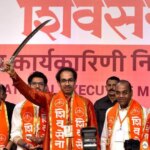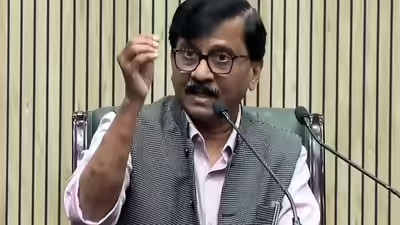
Shiv Sena parliamentarian Sanjay Raut launched a sharp attack on Maharashtra chief minister Devendra Fadnavis on Wednesday over his presence at the annual meeting of the World Economic Forum in Davos, dismissing the visit as a “picnic” and questioning the value of the global gathering for the state and the country.
Speaking to reporters in Mumbai, Raut said chief ministers from several states had turned the Davos trip into a political spectacle rather than a serious exercise in economic engagement. He argued that the forum’s discussions and announcements rarely translated into tangible outcomes on the ground, adding that the conference itself was “ridiculous from an Indian perspective”. The remarks came as political leaders and senior bureaucrats attended panel discussions and held bilateral meetings on the sidelines of the week-long event.
The criticism places fresh focus on the role of high-profile international forums in state-level economic diplomacy. Successive state administrations have used Davos as a platform to showcase investment opportunities, announce memoranda of understanding with global corporations and signal policy intent to international investors. Supporters of the approach argue that the visibility helps attract capital and technology, while critics contend that many of the pledges announced are non-binding and often fail to materialise into projects or jobs.
Raut’s comments echo a broader scepticism voiced by sections of the opposition across the political spectrum. They argue that state delegations at Davos incur significant public expenditure on travel, accommodation and promotional events, with limited accountability on outcomes. The Shiv Sena leader suggested that chief ministers should instead prioritise domestic investor outreach and focus on resolving regulatory bottlenecks that discourage investment at home.
The Maharashtra government has defended its engagement with the forum, maintaining that participation allows the state to interact directly with multinational firms, sovereign funds and technology leaders in a compressed timeframe. Officials have said such interactions help fast-track discussions that would otherwise take months through conventional channels. They also point to previous editions of the forum where states announced investment intentions running into billions of dollars, some of which later progressed to project implementation.
Political analysts note that Davos has long been a symbolic battleground in domestic politics. For ruling parties, it represents global validation and economic ambition; for opponents, it offers an easy target to question priorities and fiscal prudence. The optics of multiple chief ministers travelling overseas at the same time have amplified the debate, particularly against the backdrop of inflationary pressures and demands for increased social spending.
Raut’s language was unusually blunt, reflecting the heightened political temperature in Maharashtra. Relations between the ruling coalition in the state and the Shiv Sena have remained tense since the party split, with economic governance emerging as a recurring flashpoint. By framing the Davos visit as a “picnic”, Raut sought to underscore what he described as a disconnect between elite global gatherings and everyday economic challenges faced by citizens.
Business groups and policy experts offer a more nuanced assessment. They acknowledge that not all announcements made at international forums translate into investments, but caution against dismissing such platforms outright. According to them, Davos provides an opportunity for informal diplomacy, networking and agenda-setting that can influence longer-term investment decisions. They also stress that outcomes depend heavily on follow-through by state agencies once initial interest is generated.