The complaint has added a legal dimension to an escalating political dispute triggered by Gandhi’s comments at the Congress party’s “Chhatron Ki Goonj” programme in Pune on August 22. The Leader of the Opposition in the Lok Sabha invoked a passage attributed to the Manusmriti while arguing that women must have the freedom to define their own identities rather than being viewed primarily through relationships with male family members.
Gandhi told the gathering that the text prescribed dependence on a woman’s father during childhood, her husband in adulthood and her sons after her husband’s death, while saying that a woman should never be independent. He described those words as shameful and told women that they belonged to themselves, not to their fathers, husbands or sons.
Khan challenged Gandhi’s presentation of the passage, alleging that he had taken material selectively and distorted its meaning. She said the Manusmriti had been defamed by highlighting a particular portion and using it to create what she described as a false impression of the text.
She also questioned Gandhi’s use of images of Prime Minister Narendra Modi, Uttar Pradesh Chief Minister Yogi Adityanath and Rashtriya Swayamsevak Sangh chief Mohan Bhagwat during his remarks. Khan argued that the BJP-led government had not asked citizens to read or follow the Manusmriti and demanded an explanation for associating the political figures with Gandhi’s criticism of the text.
The dispute has widened beyond Khan’s complaint. Senior BJP leaders have accused Gandhi of attacking Hindu traditions under the cover of advocating women’s rights, while Congress figures have defended his remarks as part of a broader challenge to patriarchal attitudes and restrictions on women’s autonomy.
Assam Chief Minister Himanta Biswa Sarma accused Gandhi of selectively targeting Hindu traditions and challenged him to support a Uniform Civil Code if gender equality was his central concern. Sarma argued that the Manusmriti does not have universally binding scriptural authority among Hindus and questioned why Gandhi did not direct similar criticism at patriarchal practices associated with other religious traditions.
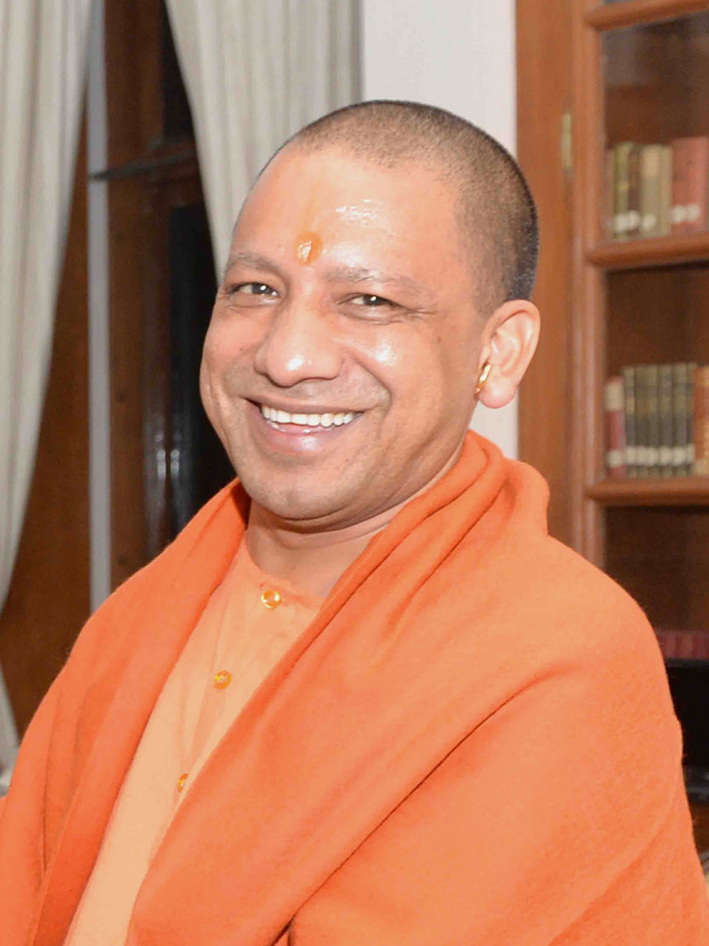
Adityanath also attacked Gandhi over the controversy, saying disagreements with the Manusmriti should not involve what he characterised as inaccurate representations of the country’s cultural heritage. The exchanges have turned Gandhi’s Pune speech into another ideological confrontation between the Congress and BJP over religion, social reform and interpretations of historical texts.
At the Pune programme, Gandhi’s argument extended beyond the Manusmriti. Addressing an audience focused largely on women’s concerns, he said being a daughter, wife or mother should not become a woman’s entire identity. He urged women to “smash patriarchy” and argued that social structures restricting their independence deprived the country of their abilities, ambitions and individual experiences.
Gandhi described the country’s roughly 70 crore women as one of its greatest strengths and said their individual journeys, imagination and aspirations represented an enormous national resource. He linked women’s autonomy to education, employment, safety and their ability to make decisions without being treated as the property or responsibility of male relatives.
He also accused the BJP and RSS of promoting what he called a “Manusmriti mindset” that sought to place women within social boundaries. The BJP rejected that characterisation and countered that the Congress leader was attempting to attach contemporary political responsibility to an ancient work that does not function as a binding legal code.
The Manusmriti has long occupied a contentious place in political and social debate. Critics have cited passages concerning caste hierarchy and restrictions on women while campaigners against discrimination have used the text as a symbol of entrenched social inequality. Defenders have challenged selective readings, disputed translations and argued that individual passages cannot be treated as representing the entirety of Hindu belief or practice.