India’s Supreme Court has permitted both Hindus and Muslims to offer prayers at the disputed Bhojshala Temple–Kamal Maula Mosque complex in Dhar, Madhya Pradesh, on Friday, setting out a tightly defined schedule intended to balance religious practice and public order at one of the country’s most sensitive heritage sites.
Under the directions issued by the Supreme Court of India, members of the Hindu community may perform prayers from sunrise to sunset to mark Basant Panchami, while Muslim worshippers have been allowed to conduct Friday prayers between 1 pm and 3 pm. The arrangement applies specifically to Friday, when the Hindu festival and the weekly congregational prayers for Muslims coincide, a convergence that has previously heightened tensions around the site.
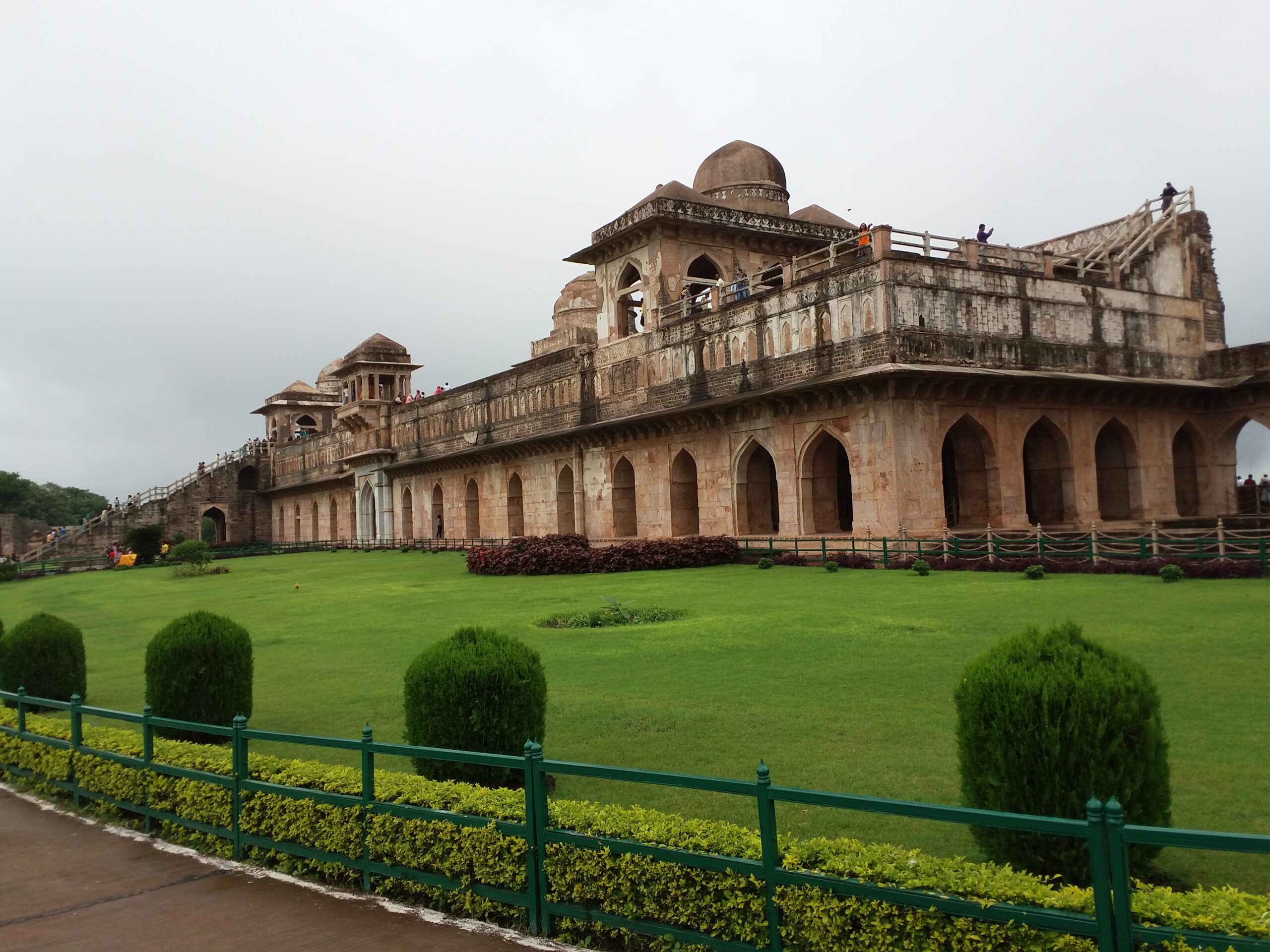
The Bhojshala complex, also known as Kamal Maula Mosque, has for decades been the subject of competing claims. Hindus regard the structure as a temple dedicated to Saraswati, while Muslims consider it an active mosque associated with the Sufi saint Kamal Maula. Archaeological surveys have identified architectural layers and inscriptions pointing to multiple historical phases, a complexity that has fed legal disputes and political mobilisation over time.
Friday’s order builds on an interim framework that has governed access to the monument for years. Since 2003, administrative arrangements had allowed Hindus to pray at the site on Tuesdays and on Basant Panchami, while Muslims were permitted Friday prayers. The overlap of Basant Panchami with Friday, however, required judicial clarification to avoid conflict, prompting petitions seeking exclusive access for one group during the festival hours.
In its ruling, the court emphasised the need to maintain communal harmony while protecting the right to worship of both communities. It made clear that the permissions were time-bound and subject to strict adherence to law and order protocols, directing the local administration to ensure that prayers by one community did not impede those of the other.
Madhya Pradesh authorities moved quickly to operationalise the order. Security deployments were increased in Dhar town and around the protected monument, with restrictions placed on large gatherings and processions near the complex. Officials said entry would be regulated, surveillance stepped up, and coordination maintained with religious representatives to ensure that the schedule was followed precisely.
The dispute over Bhojshala has resurfaced periodically in the courts, reflecting a broader pattern of litigation around historical religious sites. Earlier judicial proceedings have focused on access, archaeological assessment, and preservation of the monument as a protected structure. A scientific survey of the complex, ordered to document its features, has been a point of contention, with differing interpretations offered by various stakeholders.
Legal observers note that the court’s approach on Friday aligns with its recent tendency to prioritise interim peace while longer-term questions remain unresolved. By permitting shared access within defined time slots, the bench sought to defuse immediate flashpoints without pronouncing on the ultimate character of the site, an issue that continues to be examined in related proceedings.
Community reactions were measured. Hindu groups welcomed the confirmation that Basant Panchami prayers could proceed through the day, viewing it as recognition of long-standing practice. Muslim representatives said the assurance of uninterrupted Friday prayers during the specified hours was essential and expressed hope that the administration would enforce the schedule impartially.
Political leaders largely avoided provocative statements, aware of the sensitivity surrounding religious sites and the court’s explicit emphasis on restraint. Analysts pointed out that disputes such as Bhojshala carry resonance beyond their immediate locality, often feeding into wider debates on history, identity, and constitutional protections for religious freedom.
From a governance perspective, the order places significant responsibility on district authorities. Ensuring compliance requires not only security measures but also clear communication with worshippers, careful crowd management, and rapid response to any attempts at mobilisation outside the permitted framework. Any deviation, officials acknowledged, could risk legal consequences and social unrest.