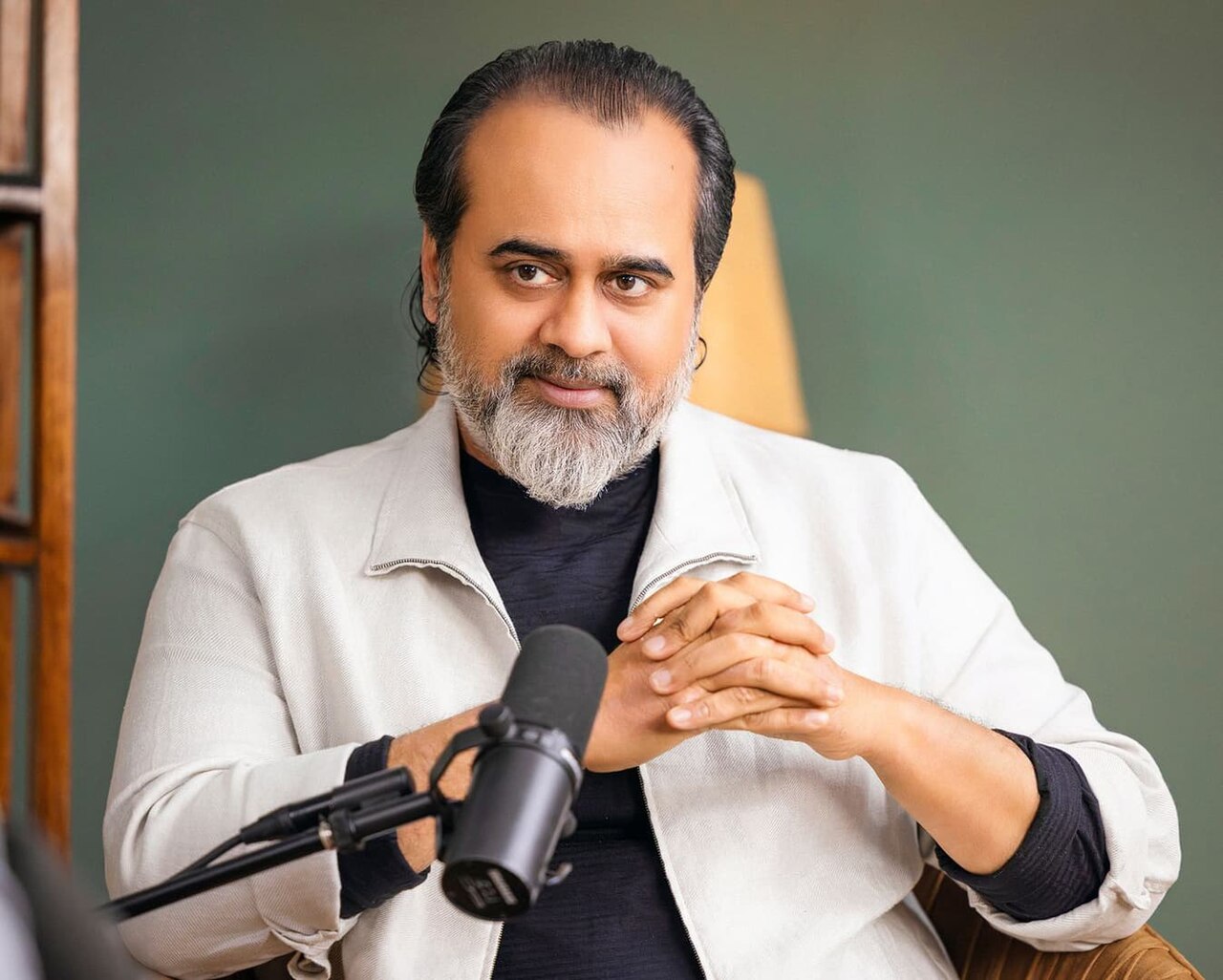
By Dr. Gyan Pathak
Jan Suraaj Party’s supremo Prashant Kishor’s win in Bankipur bypoll in Bihar is not an ordinary political event, since its impact is not likely to be limited in one constituency and is one state only. It will have far serious implications on the political discourse of the country in general, and BJP’s current political narrative in particular.
Ever since the Bankipur assembly was created after the delimitation order of 2008, it has been BJP’s stronghold. Nitin Nabin of the BJP had been winning this seat since 2010 when he had bagged 72.06 per cent of votes. Even in the last election held in November 2025, he had won this seat with 62.66 per cent of votes in his bag. When he became BJP’s National President, he was sent to Rajya Sabha, which necessitated his resignation from this seat and bypoll was announced.
It was but natural for the BJP leadership to believe that it was a secure seat for the party, and in overconfidence former Union Minister Ravi Shankar Prasad was reported saying, “Even if we filed a dog or a cat on a BJP ticket in Bankipur, it will win.” Ravi Shankar later denied making such a statement, but by that time damage has already been done. RJD leader Tejaswi Yadav later claimed that PM Narendra Modi did not visit Bankipur for election campaign fearing BJP’s defeat.
There is double engine government of BJP – both in Bihar and at the Centre. In spite of that the Bankipur bypoll result shows BJP’s humiliating defeat. BJP’s Neeraj Kumar Sinha was defeated by Prashant Kishor by a margin of 19324 votes. BJP could bag only 44,827 votes which was only 34.40 per cent of the total valid votes polled, which is 28.26 per cent less that what the party had got in the 2025 election held only eight months ago.
In contrast, JSP had got only 7,717 votes in November 2025 election which was only 4.92 per cent of the total votes polled in Bankipur assembly constituency. Now JSP Supremo Prashant Kishor bagged 64,151 votes with a vote share of 49.23 per cent, which is a gain of 44.31 per cent.
Such a huge change of mood of the people within a short span of time of only eight months is worth noting, because it reflects total disenchantment of the people from PM Narendra Modi’s leadership and BJP governments at the Centre and in the state. Such huge swings of votes in favour of JSP and against BJP can in no way be explained.
Cockroach Janata Party (CJP) led student movement against paper leaks in the country including in the NEET – UG 2026, had already humbled PM Narendra Modi. Union Minister of Education Dharmendra Pradhan had to resign, the Centre had to take several actions such as dismissing the services of 47 NTA officials, and to bring a legislation against paper leaks. The issue of the violence against students, including use of pellet guns, nailed baton charges, teargas etc was raised in the parliament and opposition demanded accountability. Overall people’s sentiment had turned against the BJP, which is reflected the most in the Bankipur election result.
Such a sentiment played its role also in Datia bypoll in Madhya Pradesh where Congress candidate Ghanshyam Singh defeated BJP’s Ashutosh Tiwari by a margin of over six thousand votes. Though, BJP retained the Manjalpur assembly seat in Gujarat’s Vadodara district, with its candidate Satish Patel defeating Congress nominee Bhikhabhai Rabari by more than 30,000 votes in the by-election, it is worth noting that BJP’s vote share has considerably reduced. BJP could get only 55,481 votes which was 67.19 per cent of the total votes polled. It was 8.66 per cent less that in the 2022 election. On the other hand INC candidate could increase its vote share from 12.24 per cent in 2022 to 30.09 per cent now. BJP’s winning margin has been reduced from over 100000 to 30000 is politically significant, especially in Gujarat.
Taken together, we can clearly see considerable weakening of BJP’s political dominance which is beyond Bankipur spanning even Madhya Pradesh and Gujarat. The bypoll results have therefore serious implication for the BJP in electoral term also, apart from its weakening political narrative. PM Narendra Modi and the RSS-BJP clan will have tough time ahead in the light of the election to be held in five states – Goa, Manipur, Punjab, Uttar Pradesh, and Uttarakhand in early 2027, and in Gujarat in late 2027.
Prashant Kishor’s win not only signals troubles for BJP but also troubles for its ally Nitish Kumar led JD(U). NDA in Bihar will have to reconsider their current political strategy to face the rise of Jan Suraaj Party as the third political force. The result has also brought serious concern for the opposition INDIA bloc and its ally RJD, whose candidate Rekha Kumari Gupta came third with securing only 14273 votes which was only 10.95 per cent of total votes polled, and which is 18.60 per cent less than she got in the November 2025 election. In this situation one can’t dismiss the possibility of reshaping of Bihar politics in the time to come. JSP led by Prashant Kishor will be the third political force from now onwards.
Opposition political parties have lessons to learn from the Bankipur result. RJD is currently leading INDIA bloc in Bihar, but they will have to take into consideration the rise of Prashant Kishor in the state. As for the other part of the country, INDIA bloc will have a chance to capitalize on the public anger against PM Narendra Modi led government, especially in the forthcoming early 2027 elections in Goa, Manipur, Punjab, Uttar Pradesh, and Uttarakhand. However, they can’t take it for granted, because it is too early to say that BJP is undergoing an irreversible decline. (IPA Service)