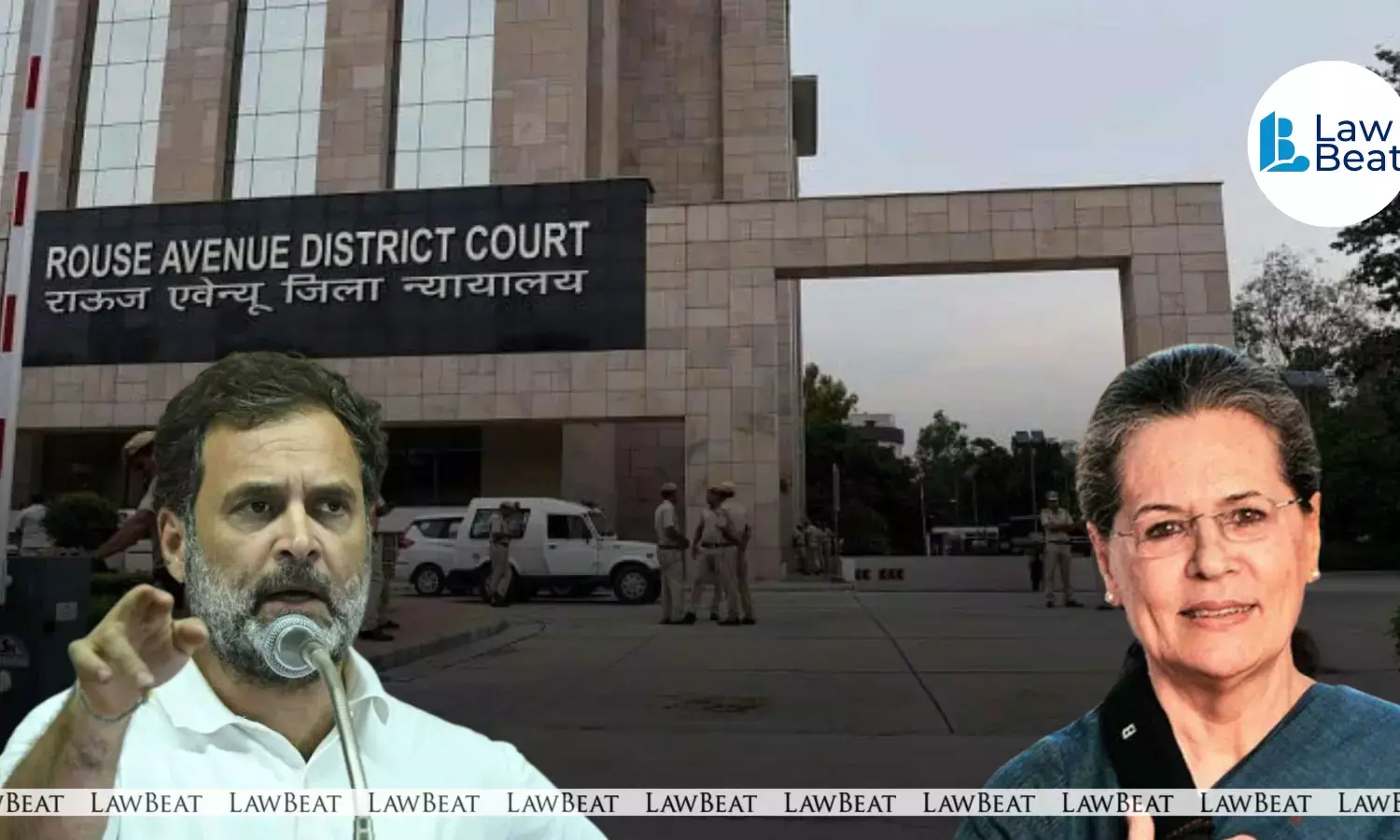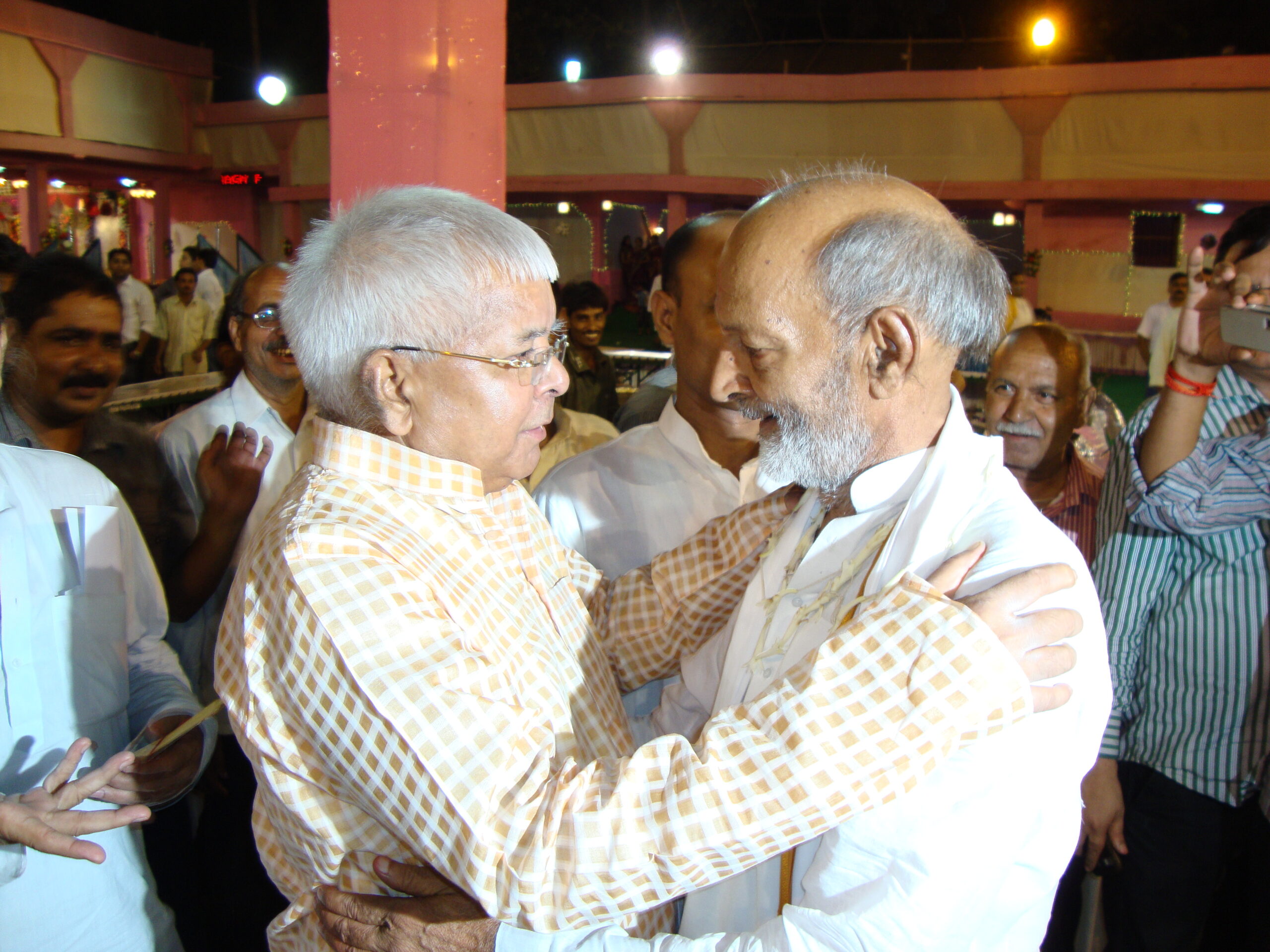
Lalu Prasad Yadav won limited relief from the Supreme Court on Monday after it exempted him from appearing before the trial court in the land-for-jobs case, but the bench declined to halt the proceedings or quash the CBI case. The court said questions over sanction and the legality of the investigation could still be raised during the trial.
The order leaves intact the criminal case that has shadowed the RJD chief and members of his family for nearly four years. A bench of Justices M M Sundresh and N Kotiswar Singh said Yadav would be free to press the legal point at the proper stage before the trial court, while making clear that the pendency of that objection should not obstruct the case from moving ahead. The ruling came weeks after the Delhi High Court refused to quash the FIR, three chargesheets and the trial court’s cognisance orders.
Yadav had approached the top court challenging the CBI case on the ground that a fresh enquiry and investigation were allegedly initiated without the mandatory prior approval required under Section 17A of the Prevention of Corruption Act. His legal team argued that the allegations stemmed from acts connected with his tenure as railway minister and therefore attracted statutory protection before an investigation could begin. The Supreme Court did not settle that question on Monday. Instead, it left the point open and said it may be argued during the course of the trial.
The dispute over sanction has become the central legal fault line in the case. When the Delhi High Court dismissed Yadav’s challenge on March 24, it held that Section 17A could not help him for two reasons. First, the alleged offences relate to the period from 2004 to 2009, while Section 17A was introduced only in 2018 and operates prospectively. Second, the High Court held that the acts alleged by the CBI were not protected official decisions made in the normal discharge of ministerial duty. That reasoning now forms the legal backdrop to the Supreme Court’s refusal to intervene at this stage.
At the heart of the case is the allegation that land parcels in Patna were transferred by job aspirants or their relatives to Yadav’s family members or associates in exchange for appointments in Group D railway posts during his years at the Railways ministry. According to court records cited in the High Court proceedings, the CBI began a preliminary enquiry on September 23, 2021 and formally registered the FIR on May 18, 2022. The agency alleges that more than 105,000 square feet of land, valued at about Rs 4.39 crore on prevailing circle rates, was acquired by the family through these transactions.
The broader chronology has also worked against Yadav’s effort to stop the case before trial. Chargesheets were filed in October 2022, July 2023 and June 2024, while cognisance orders followed in February 2023, September 2023 and February 2025. Last year, the Supreme Court had already declined to stay the trial court proceedings and later refused to defer the framing of charges, although it granted Yadav exemption from personal appearance and said the trial process would not make his quashing plea infructuous. Monday’s order follows the same judicial pattern: allow the process to continue, preserve legal objections, but do not freeze the prosecution.
For Yadav, the ruling is a procedural reprieve rather than a substantive victory. He avoids the burden of appearing before the trial court in person, an issue that has carried weight given his age and health, but he does not secure what he most wanted: the collapse of the CBI case at the threshold. For the prosecution, the decision strengthens the case’s forward momentum and signals that higher courts are unwilling, for now, to short-circuit the trial on technical grounds alone.