European leaders meeting in Brussels have called for the immediate reopening of the Strait of Hormuz and an end to attacks on critical energy and water infrastructure across the Middle East, as surging oil and gas prices deepen concerns over global economic stability.
The European Council, representing all 27 member states, issued a joint statement stressing that uninterrupted maritime passage through the strategic waterway is essential for global energy security. Leaders warned that continued disruption risks amplifying inflationary pressures already weighing on households and industries across the continent.
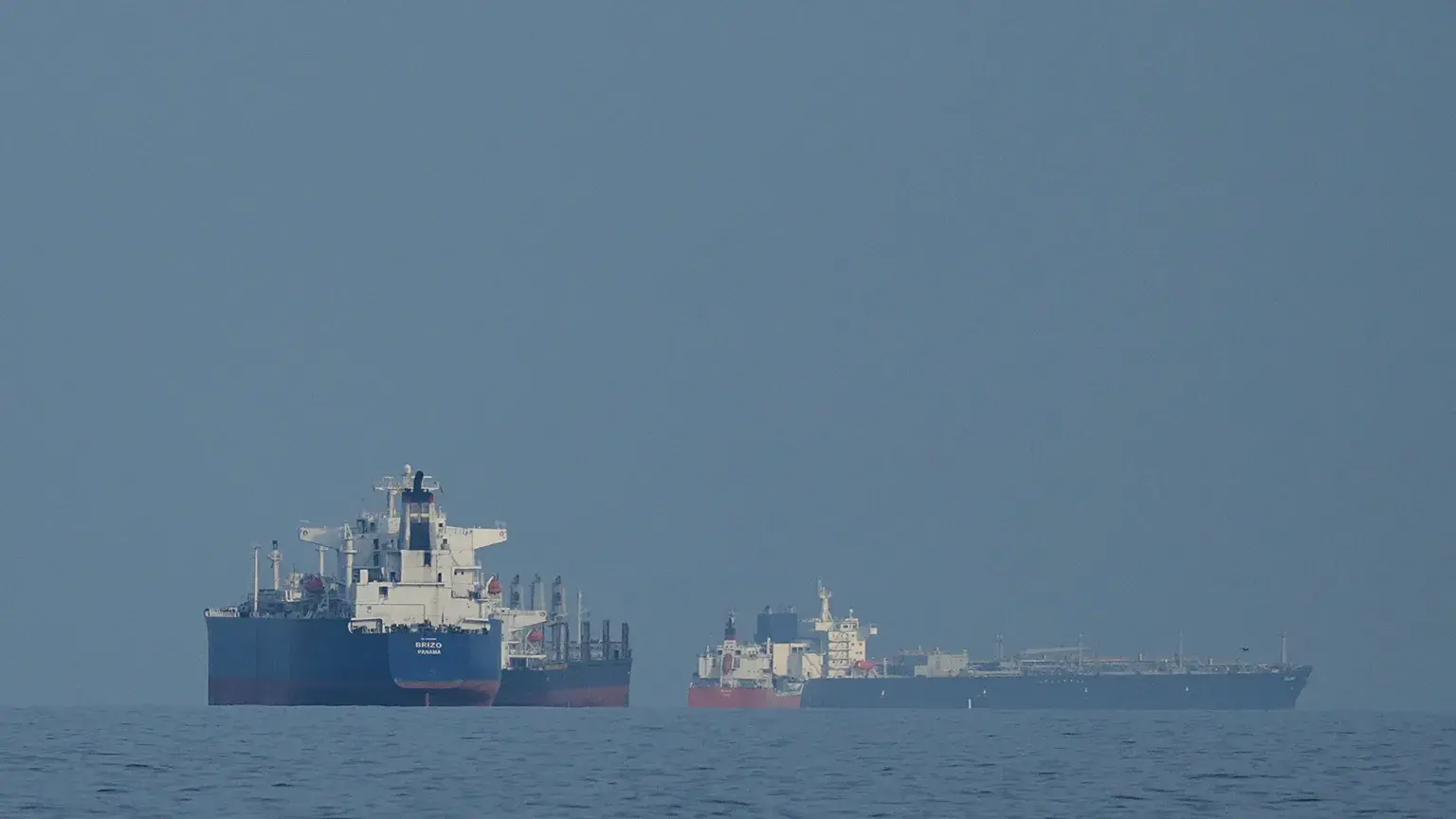
Diplomatic officials described the language of the statement as unusually direct, reflecting mounting anxiety within European capitals over the pace and scale of the escalation. The Strait of Hormuz, through which roughly a fifth of the world’s oil supply passes, has become a focal point of geopolitical tensions, with shipping lanes increasingly exposed to attacks and military manoeuvres.
Energy markets have reacted sharply, with benchmark crude prices climbing and gas markets experiencing renewed volatility. Analysts say the instability threatens to reverse gains made in stabilising energy costs after earlier shocks linked to the war in Ukraine. European economies, many of which remain sensitive to external supply disruptions, face renewed risks of slower growth and persistent price pressures.
Leaders in Brussels emphasised the need for restraint from all parties involved in the conflict, urging de-escalation and a return to diplomatic engagement. The Council highlighted the importance of protecting civilian infrastructure, particularly water facilities and power networks, which have come under strain in several affected areas.
Officials familiar with the discussions said the bloc is considering additional measures to safeguard supply chains, including enhanced naval coordination and closer monitoring of shipping routes. While no immediate military commitments were announced, there is growing support among some member states for a stronger maritime security presence in coordination with international partners.
The crisis has also reignited debate within Europe over energy diversification and strategic reserves. Policymakers are revisiting contingency plans developed during earlier supply shocks, including increased reliance on liquefied natural gas imports and accelerated investment in renewable energy. However, experts caution that such measures offer limited short-term relief in the face of immediate disruptions.
Industry leaders have warned that prolonged instability in the Gulf could have cascading effects across global supply chains. Shipping insurance premiums have risen, and some operators are rerouting vessels to avoid high-risk areas, adding to transportation costs and delays. Refiners and utilities across Europe are closely monitoring developments, with some already adjusting procurement strategies to mitigate potential shortages.
Economic analysts note that the timing of the disruption poses additional challenges, as several European economies are navigating fragile recoveries. Higher energy costs risk feeding into broader inflation, complicating monetary policy decisions and placing pressure on central banks to balance growth and price stability.
Political leaders sought to present a unified front, underscoring the bloc’s commitment to maintaining open trade routes and supporting international efforts to stabilise the region. The Council’s statement also called for increased humanitarian assistance to communities affected by infrastructure damage, highlighting concerns over access to water and electricity in conflict-affected areas.
Behind the scenes, diplomatic efforts are intensifying, with European officials engaging regional actors and global partners in an attempt to reduce tensions. While prospects for an immediate resolution remain uncertain, there is a growing recognition that prolonged disruption in the Strait of Hormuz could have far-reaching consequences beyond the Middle East.
Energy experts point out that the current situation underscores the enduring vulnerability of global supply systems to geopolitical shocks. Despite efforts to diversify energy sources and routes, critical chokepoints such as Hormuz continue to hold disproportionate influence over market stability.
IPA Service