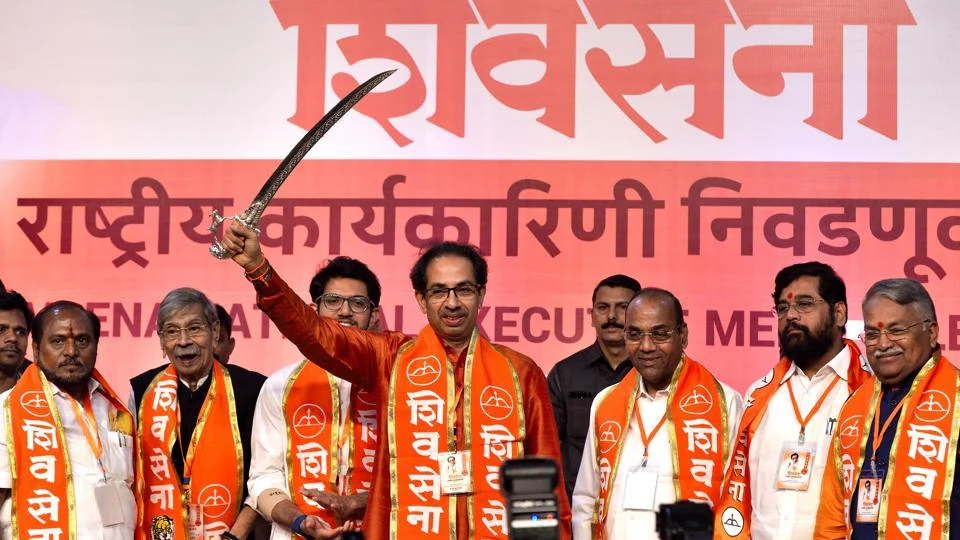
Sanjay Nirupam, a senior leader of the Eknath Shinde–led Shiv Sena, has called for a high-level investigation into what he described as an “international conspiracy” after the declaration of results in the Maharashtra municipal corporation elections, sharpening political debate around voting patterns and electoral oversight in the state.
Speaking to the media on Wednesday, Sanjay Nirupam alleged that a coordinated consolidation of Muslim voters had produced what he termed “Muslim Islands” in several urban wards, claiming this had been designed to weaken the ruling Mahayuti alliance. He argued that the pattern of outcomes across multiple municipal bodies warranted scrutiny beyond routine post-poll reviews.
Nirupam said the scale and consistency of the consolidation suggested planning that extended beyond local political mobilisation. He urged authorities to examine campaign financing, messaging networks and voter mobilisation strategies, adding that the inquiry should be conducted at a senior level to dispel doubts about the integrity of the process. He did not present documentary evidence to substantiate claims of overseas coordination.
Leaders of the Shiv Sena faction led by Deputy Chief Minister Eknath Shinde echoed the call for clarity while stressing that any probe must adhere to constitutional safeguards and election law. Party functionaries said the demand was intended to protect voter confidence rather than question the legitimacy of individual voters or communities.
Opposition parties rejected the allegations, describing them as an attempt to deflect from organisational weaknesses and local governance issues exposed by the municipal results. They said voting blocs had long existed in urban politics and reflected socio-economic concerns, civic service delivery and neighbourhood-level campaigning rather than covert coordination. Several opposition leaders cautioned against rhetoric that could deepen communal polarisation.
Election officials noted that municipal polls are conducted under established procedures, including the use of electoral rolls verified through periodic revisions and the monitoring of expenditure and campaigning. Any formal complaint, they said, would be examined through statutory mechanisms, with remedies available through election petitions and judicial review where applicable.
Analysts tracking Maharashtra’s urban politics pointed to demographic change, migration, ward delimitation and candidate selection as factors that can reshape outcomes in civic contests. They said concentrated voting patterns are not uncommon in densely populated cities where communities share common local issues such as housing, sanitation, transport access and public schooling. The impact of social media outreach and hyper-local influencers has also grown, allowing targeted messaging that can translate into cohesive voting behaviour without external orchestration.
Within the ruling alliance, there is acknowledgement that municipal elections often turn on ground-level performance and alliances rather than state-level narratives. Some leaders privately conceded that fragmented campaigning in certain wards, combined with anti-incumbency against local bodies, may have played a role. Publicly, the alliance has maintained that it respects the verdict while reserving the right to seek explanations through lawful channels.
Civil society groups urged restraint, emphasising that allegations involving communities should be framed carefully and supported by verifiable evidence. They called for transparency from all parties, including the disclosure of campaign expenditures and digital outreach practices, to strengthen trust in the electoral system.
Legal experts said the threshold for ordering a high-level probe is high and typically hinges on prima facie evidence of violations such as illicit funding, coordinated disinformation or breaches of the model code of conduct. They added that broad claims of consolidation, absent proof of illegality, are unlikely to trigger extraordinary interventions.