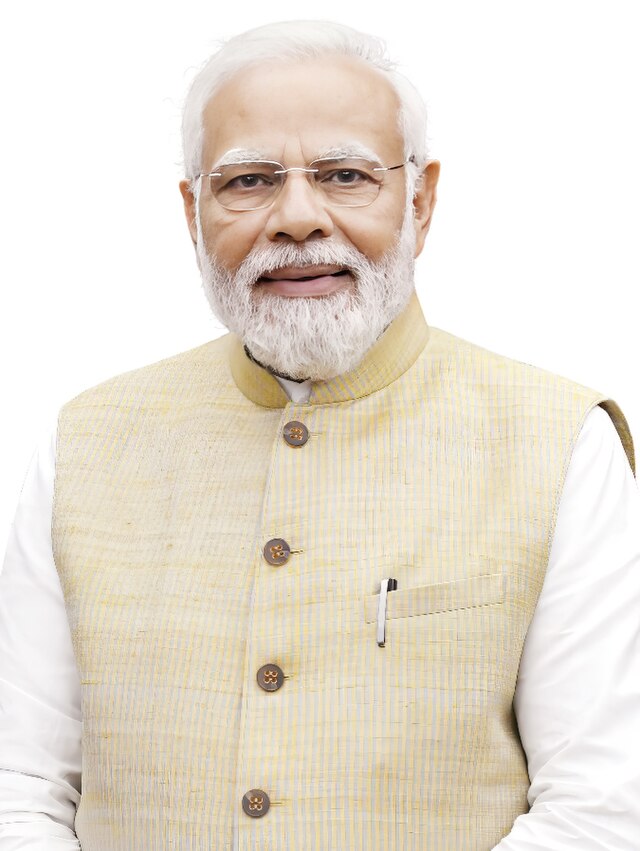
Prime Minister Narendra Modi has firmly asserted that India will not compromise on the interests of its farmers and fishermen, even if it means facing substantial personal and national costs. His declaration came at the M. S. Swaminathan Centenary International Conference on Thursday, where he reaffirmed the government’s commitment to protecting the agricultural community despite growing tensions in trade discussions with the United States.
The backdrop of Modi’s statement is the ongoing deliberations between India and the United States, which have intensified around two significant issues: India’s substantial importation of Russian oil and the country’s agricultural policies, especially concerning subsidies and market access. These issues have emerged as major points of friction in the trade relationship, which had already been strained by a complex set of economic and geopolitical factors.
India’s purchase of Russian oil, especially in the wake of the ongoing conflict in Ukraine, has drawn significant criticism from the West, particularly the United States. Despite pressure to reduce its reliance on Russian energy, India has continued to buy oil from Moscow, citing energy security and the need to shield its citizens from fluctuating global prices. Washington has made clear its disapproval, viewing the move as a violation of international sanctions and a direct challenge to Western efforts to isolate Russia economically.
Simultaneously, India’s agricultural policies, which include subsidies on staple crops and support for domestic food prices, have drawn the ire of trading partners, particularly the United States. The United States has long pressed India to remove or reduce these subsidies, arguing that they distort global markets and disadvantage American farmers. However, Modi’s latest remarks indicate no intention of backing down on these policies, which he has long defended as crucial to safeguarding India’s food security and the livelihoods of millions of farmers.
At the conference, Modi acknowledged that these trade disagreements could come at a significant cost. “I know I will have to pay a huge price, but I am ready for it,” he said, underlining his steadfast resolve to prioritise the interests of India’s agricultural sector, a cornerstone of the nation’s economy and identity. His comments resonated with the audience, many of whom view agricultural policy as a reflection of the government’s commitment to rural development and poverty alleviation.
The challenges facing India’s agricultural sector are multifaceted. Farmers have been grappling with a variety of issues, including unpredictable weather patterns, rising input costs, and changing market dynamics. The government’s subsidies and support schemes are seen by many as necessary interventions to ensure that farmers can survive in an increasingly volatile environment.
Modi’s remarks also come at a time when India is navigating a complex web of global trade negotiations. As one of the largest economies in the world, India holds significant leverage in these discussions, but it also faces competing pressures from multiple sides. While the United States remains a key partner in India’s economic growth, the two countries’ divergent priorities have made it increasingly difficult to align their trade policies in a way that satisfies both sides.
For Modi, the preservation of India’s agricultural policies is not just about economics; it is also about ensuring that the voice of the rural population is not overshadowed by the interests of urban and industrial sectors. By refusing to yield to external pressures, the Prime Minister aims to send a clear message both domestically and internationally: India’s farmers will not be sacrificed at the altar of international trade deals.
As Modi prepares to engage further with the United States on these pressing issues, the agricultural sector will undoubtedly remain a focal point. The Prime Minister’s stance on Russian oil and domestic subsidies is likely to play a pivotal role in shaping the future of India’s trade relations with the West.
 US Tariff Impact Forces Halt on Orders from India