


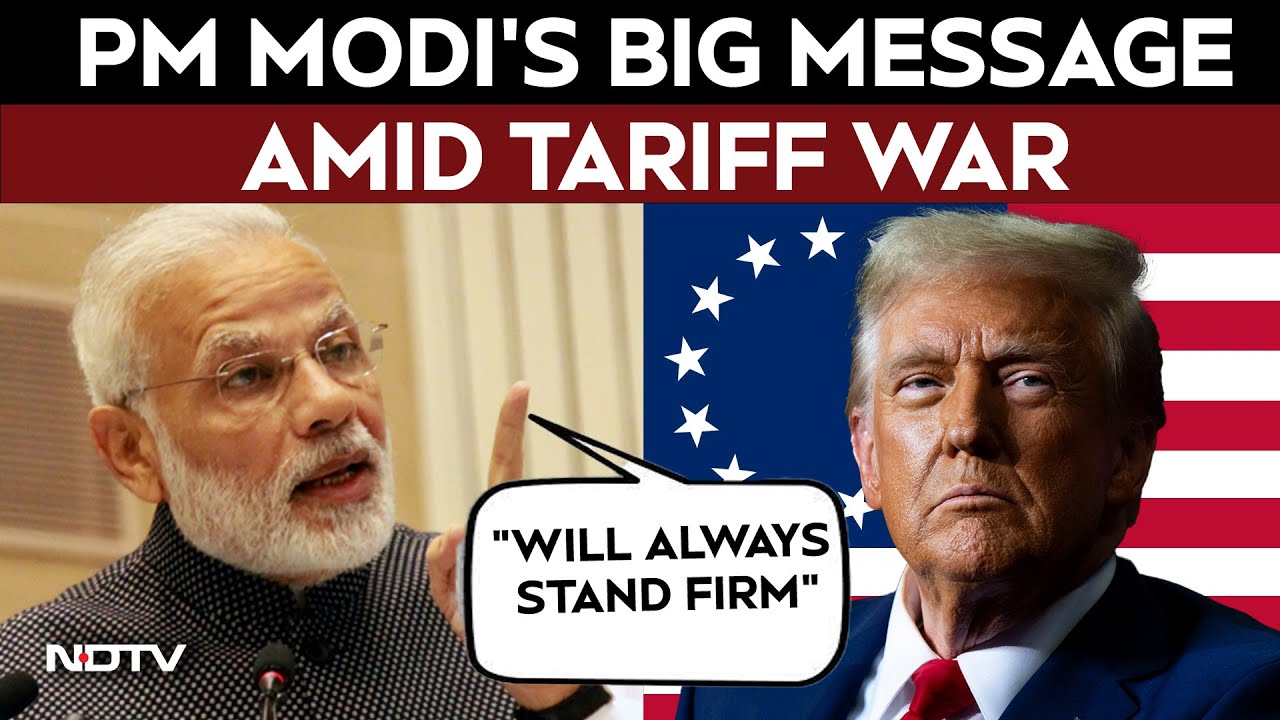
The proposed tariff hikes on pharmaceutical imports from India, initially set at modest levels but expected to escalate dramatically within the next year, are causing significant concern among Indian drug manufacturers. According to industry insiders, the US would bear the brunt of the move, with American consumers facing higher drug costs and limited access to essential medicines.
US President Donald Trump’s administration has announced plans to impose a phased tariff on pharmaceuticals imported from various countries, including India. The initial phase of tariffs will be relatively small, but within a year to 18 months, they are expected to rise sharply, ranging from 150% to 250%. The US government’s aim is to reduce its reliance on foreign-made generic drugs and encourage domestic production. However, these measures have sparked a wave of criticism from Indian pharmaceutical companies, which are among the world’s largest suppliers of generic medicines.
The Indian pharmaceutical industry, which provides around 40% of the generic drugs consumed in the US, has strongly condemned the proposed tariffs, warning that they could have dire consequences. A spokesperson from one of India’s leading pharmaceutical associations remarked that the cost burden of such steep tariffs would be difficult for Indian companies to absorb. However, he highlighted a far more concerning outcome: the impact on US consumers.
“As much as the tariffs would challenge Indian companies, it will ultimately be the American public that suffers,” the spokesperson stated. “No other country has the capacity to supply generic medicines to the US at the price and scale that India does. This would lead to increased drug prices and a shortage of critical medicines.” The spokesperson further suggested that while India could redirect its exports to other markets, the loss of the US market could have long-term effects on both Indian drug makers and American healthcare systems.
India’s role as the world’s pharmacy has been critical for US healthcare for decades. Indian pharmaceutical manufacturers are renowned for producing high-quality generic drugs at a fraction of the cost of branded drugs, providing a crucial lifeline for millions of uninsured or underinsured Americans. These drugs encompass a wide range of treatments, from cancer medications to antibiotics and heart disease drugs.
The Indian pharma sector is already navigating a complex regulatory environment, with increasing scrutiny from the US Food and Drug Administration over product quality and manufacturing practices. Some experts believe that the US government’s tariff plan is another attempt to curb India’s dominance in the global generic drug market. However, this strategy might backfire, as alternative sources of low-cost generics are limited.
Industry analysts are also concerned about the ripple effects such tariffs could have on global trade dynamics. As Indian pharmaceutical companies look to diversify their markets, other countries could become more attractive for investment. China, Southeast Asia, and parts of Africa are seen as potential beneficiaries, especially given the US’s current healthcare challenges. However, moving production and supply chains out of India could lead to delays and increased costs, particularly for the millions of Americans who rely on affordable generics.
While the Trump administration has argued that the tariffs are designed to bolster domestic drug production, the reality is far more complex. Domestic production of generic drugs in the US remains limited due to high costs and regulatory hurdles. Experts argue that building up this capacity would require significant investment, time, and effort, and may not be viable in the short term.
The situation also raises questions about the future of the US healthcare system. If the tariffs are implemented, they could exacerbate an already dire situation for US consumers, especially those in lower-income brackets who rely heavily on generic drugs. With drug prices in the US continuing to rise, the cost of essential medications could become prohibitively expensive for many.
The proposed tariffs also come at a time when India is pushing to expand its influence in the global healthcare market. With initiatives aimed at improving the quality and affordability of healthcare in both domestic and international markets, India has positioned itself as a leader in the production of generic medicines. The US’s actions may undermine these efforts and lead to greater tension in trade relations.








