By Anjan Roy
Henry Kissinger, the doyen of twentieth century diplomacy, had once observed “to be an enemy of US could be dangerous, but being its friend is fatal”. The truth of this observation made years ago is being learnt by the West Asian allies of the US much to their huge costs and sufferings.
Some of the experts are urging an immediate end to the war, which can only be achieved with a unified front of the BRICS countries. A unified voice from countries like China, Russia, India and EU urging an immediate stop to the US aggression can bring about a change in stance and stop the war, said Jeffry Sachs, Noble prize winning American economist.
There are some indications of a change. Indian foreign secretary has signed a book of condolence in the Iranian embassy in India as a show of solidarity with the Iranians. The EAM, S. Jaishankar, has also spoken to Iranian foreign minister, Abbas Araghchi, over telephone and discussed ways of defusing the tensions.
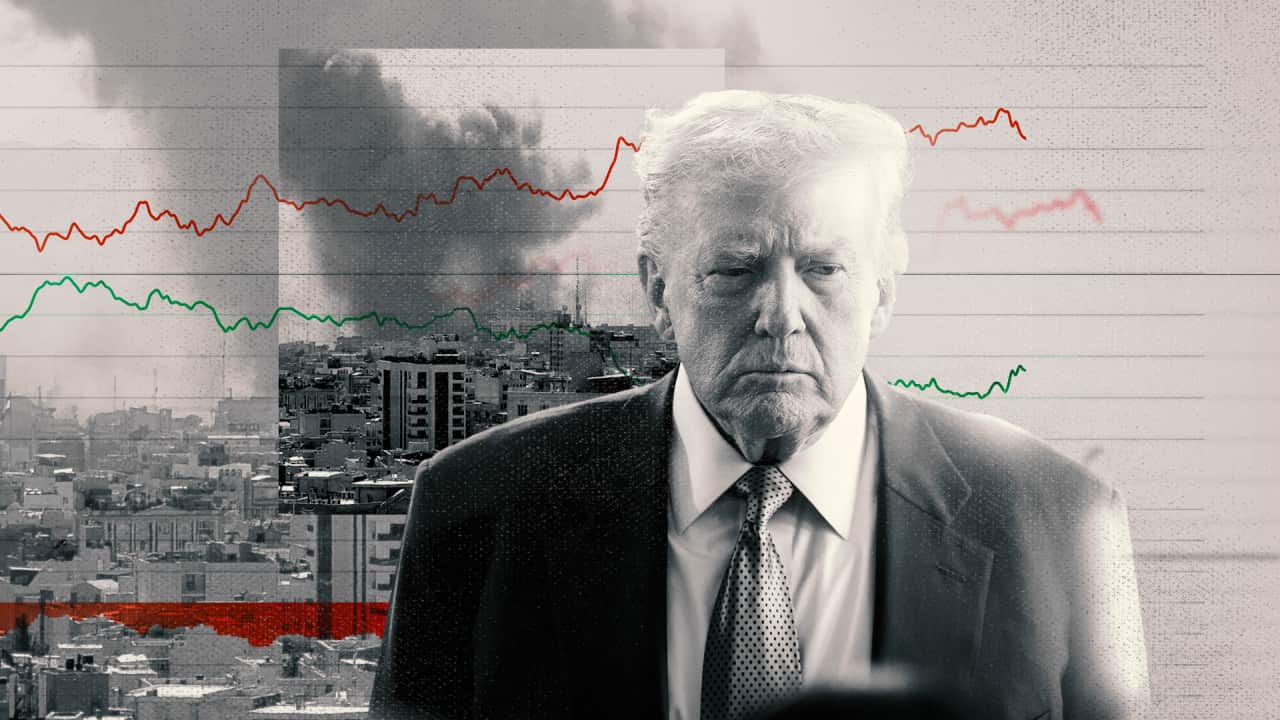
Sachs felt that Donald Trump was “delusional” and should be stopped at any cost as continuing war would ruin the global economy and bring in an economic slowdown across all regions. Her fears that oil prices might reach well past $100 a barrel in case of disruptions in supplies.
There is every chance of a prolonged oil supply disruption as Iran is having its chokehold on the Strait of Hormuz, the narrow waterway along Iran’s eastern coast, which is the principal channel for movement of oil laden tankers. Hormuz handles nearly 20% of oil movement.
Along with Iran’s stranglehold over the Stair of Hormuz, the Iranian pounding of the Golf states, which are American allies, is also wiping out the principal oil producing facilities in the region. This is a matter of concern, not only for the Gulf countries but for major economies of the world.
Iran is bombarding the US allies in entire West Asia from Saudi Arabia, Qatar, UAE, Bahrain and others for hosting US air bases and military installations. Their vital installations are being razed to the ground once by one with relentless Iranian missiles strikes. It will have a massive bearings on their economies for years to come.
One of the biggest oil facilities of Saudi Arabia has been bombed by Iranian drones and missiles, causing it be closed. Qatar’s gas fields have all been shut down, as keeping these operational could be tremendously costly. At the same time, shutting off a gas field once opened is extremely costly and creates problems later.
Many of the oil terminals and port facilities of the Gulf countries have been hit hard and these would have to be rebuilt over years at considerable costs. Military installations in the countries have also been hit by Iranian missiles, causing extensive collateral damages.
These would have to be closed down for the time being. But recommissioning these projects would call for spending billions of dollars in repair and rebuilding. In the hit of the current war when day to day survival is the real issue, these costs in the future are not the immediate question.
Meanwhile, it is slowly dawning on US experts and the battlefield economics is turning disastrously against the US-Israel combination. The question is that Iran is targeting its missiles and drones at the US allies in the region and American facilities, which are sought to be intercepted with hugely costlier interceptors and other weapons.
On rough and ready estimates, US interceptors and missiles, like the Patriot, cost several millions of dollars, whereas the Iranian missiles cost $20,000 apiece if not slightly less. The Iranian drones are even cheaper. So, the costs of defending against the barrages of Iranian missiles and drones are proving to be seriously adverse to US-Israel combine.
On the other hand, US experts are worrying that the supply of defensive missiles are running thin, against the plentiful stocks of Iranian missiles. Dan Cayne, US defence head, had warned about the shortages of ammunition and missiles well before the launch of the campaign, which was however ignored by an over-confident Donald Trump and his accolades.
There are indications that some of the principal voices in international relations are coalescing into a bloc opposing Trump war in Iran. Spain has spoken out in Europe, along with that France, Italy and others are talking of co-ordinating their steps in the evolving situation. (IPA Service)