About 450 students from several batches have backed representations questioning the proposed invitation. The university has around 1,400 students. NALSAR has not formally announced the convocation date or confirmed its chief guest, although serving Chief Justices of India have traditionally delivered convocation addresses at the university.
The first representation was submitted on July 23 by about 70 members of the outgoing LLB batch. Within two days, roughly 380 students from the classes graduating between 2027 and 2031 had issued separate communications supporting the concerns of the graduating students. The representations were addressed to the Vice-Chancellor, Registrar, faculty members and other university officials.
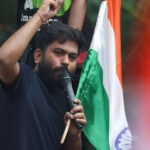
Central to the dispute are comments made during Supreme Court proceedings following police action against demonstrators at Delhi’s Jantar Mantar on July 20. Students had been protesting over examination-related grievances when clashes and allegations of police excesses emerged.
On July 22, the Supreme Court declined a request to take suo motu cognisance of the alleged police action. When a lawyer referred to video material said to document police brutality, the bench headed by the CJI indicated that it would not examine the footage at that stage and objected to the court’s time being consumed by the videos.
The episode prompted criticism among sections of the NALSAR student body. The graduating students argued that a convocation should reflect the university’s commitment to constitutional rights, access to justice and reasoned engagement with grievances. They said choosing a dignitary whose courtroom conduct they regarded as dismissive of allegations involving protesting citizens would sit uneasily with principles taught during their legal education.
Justice Surya Kant subsequently rejected reports suggesting that he had refused to hear a petition challenging police action against the protesters. He said no such petition had actually been filed before the Supreme Court and described claims that he had refused to list it as baseless.
The students have also referred to a separate controversy arising from Supreme Court proceedings on May 15. During a matter involving professional qualifications and allegations surrounding fake law degrees, remarks by the CJI about some young people, activists and individuals entering professions became the subject of intense public debate.
Reports highlighting references to “cockroaches” and “parasites” prompted criticism that the observations disparaged unemployed young people. Justice Surya Kant issued a clarification the following day, saying his remarks had been misquoted and were specifically directed at people who entered professions such as law using fake or bogus degrees. He said it was baseless to suggest that he had criticised the country’s youth generally and expressed pride in young people.
Some NALSAR students nevertheless cited the original controversy while making their case against the proposed convocation appearance. One batch described its opposition in particularly strong terms, while other students framed their objection around what they regarded as NALSAR’s constitutional ethos and the symbolic significance of receiving their degrees.
The protests do not represent a formal university decision against the Chief Justice, and the administration has made no public announcement changing its plans. The controversy therefore remains centred on student representations rather than a withdrawal of an officially confirmed invitation.
The disagreement also places NALSAR in an unusual institutional position. Convocations at leading national law universities frequently feature senior members of the judiciary, reflecting the close relationship between legal education, the Bar and the courts. Justice Surya Kant, who became the 53rd Chief Justice of India on November 24, 2025, has addressed students at other university convocations during his tenure.
(IPA Service)