New Delhi — The Global Trade Research Initiative has urged the government to press for equitable outcomes in the ongoing trade negotiations with the United States, cautioning against premature concessions on agricultural crops and genetically modified products as discussions over a bilateral trade agreement continue to unfold. The advisory from the influential think tank comes amid heightened diplomatic engagement and public comments from U. S. trade officials underscoring both progress and friction in the talks.
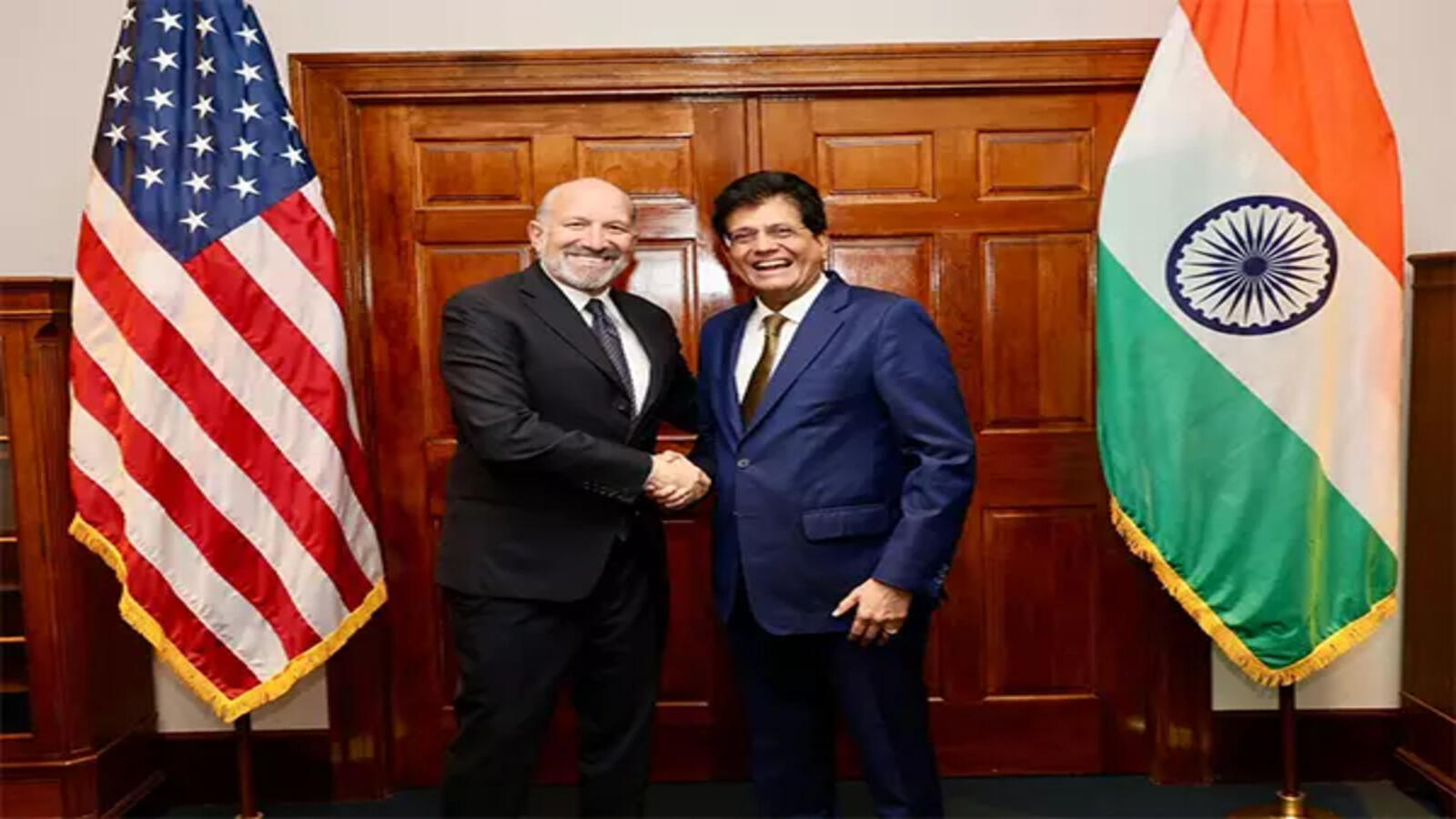
U. S. Trade Representative Jamieson Greer, in testimony before a Senate committee, described India as “a very difficult nut to crack” while also acknowledging that the offers New Delhi has put forward are “the best we’ve ever received as a country,” signalling a degree of forward movement from Washington’s perspective. Greer and a team of U. S. negotiators are currently in India for high-level discussions designed to advance a mutually beneficial Bilateral Trade Agreement, with a particular emphasis on market access for key American exports such as soybeans, corn and other row crops.
For New Delhi, these agricultural categories carry political weight given their linkage to farmer livelihoods and national food security, factors that have been central to domestic policy debates for decades. GTRI’s note stresses that India must avoid yielding too much ground on these sensitive sectors, arguing that doing so could undermine both rural constituencies and broader developmental priorities. The think tank also advised that New Delhi should push back on current U. S. tariff structures, advocating a reduction of punitive levies on Indian exports from 50 per cent to 25 per cent as a sign of Washington’s seriousness about partnership.
Officials from both sides have engaged in multiple rounds of negotiations this year, reflecting a mutual interest in strengthening economic ties. New Delhi is seeking relief from tariffs imposed by the Trump administration tied to Indian purchases of Russian oil, measures that have reached as high as 50 per cent on key Indian exports including textiles, chemicals and certain food products. Indian trade officials, led by Commerce Secretary Rajesh Agrawal, have reiterated the importance of addressing these barriers while also safeguarding sensitive domestic sectors.
Trade experts monitoring the discussions note that the itinerary for the talks has been dominated by U. S. efforts to expand access for its agricultural and biofuel exports, with comparatively less clarity on concrete commitments from Washington to liberalise access for Indian goods. The imbalance in negotiation priorities, according to analysts, could tilt the eventual agreement in favour of American interests unless New Delhi maintains a cautious and strategic stance.
The GTRI advisory underscores the importance of cautious engagement until a pending ruling by the U. S. Supreme Court on the extent of tariff authority under President Donald Trump’s administration is delivered. The outcome of the court case could reshape the negotiating framework, potentially prompting adjustments to both tariff structures and the broader legal justification for certain trade measures. Making binding commitments prior to that judgement, GTRI argues, could expose India to disadvantages if the regulatory landscape shifts abruptly.
Investor sentiment has already shown signs of cautiousness in response to the trade negotiations. The Indian rupee has experienced volatility against the U. S. dollar, with forex markets reacting to uncertainties around the pace and direction of the bilateral talks. Analysts link part of this market behaviour to broader concerns about how a finalised trade agreement might impact key sectors and export flows.
Within India’s agricultural sector, there is scepticism about the long-term benefits of significantly opening domestic markets to large-scale imports without clear reciprocal concessions. Row crops such as soybeans and corn, staples in U. S. agricultural exports, could compete with locally produced equivalents, potentially affecting prices and farmer incomes if safeguards are not firmly established in any agreement. GTRI’s position reflects these industry anxieties, emphasising that any trade pact must balance market access with the protection of domestic agricultural interests.