The United States has carried out fresh strikes on targets in southern Iran after attacks on commercial vessels passing through the Strait of Hormuz, pushing Washington and Tehran into a sharper confrontation and renewing fears over one of the world’s most critical energy corridors.
US Central Command said the operation followed what it described as dangerous attacks on merchant shipping near the waterway. The strikes were aimed at military and coastal facilities linked to Iran’s capacity to threaten vessels moving through the Gulf. Explosions were reported near southern port infrastructure, while maritime operators tracked disruption to tanker traffic as shipowners reassessed risk.
The escalation came after three commercial vessels were targeted while transiting or approaching the Strait of Hormuz, a narrow channel through which a major share of global seaborne crude and liquefied natural gas supplies passes. Crew casualties were not immediately confirmed, but the attacks triggered heightened naval alerts and prompted some tankers to slow, divert or await further instructions before entering the passage.
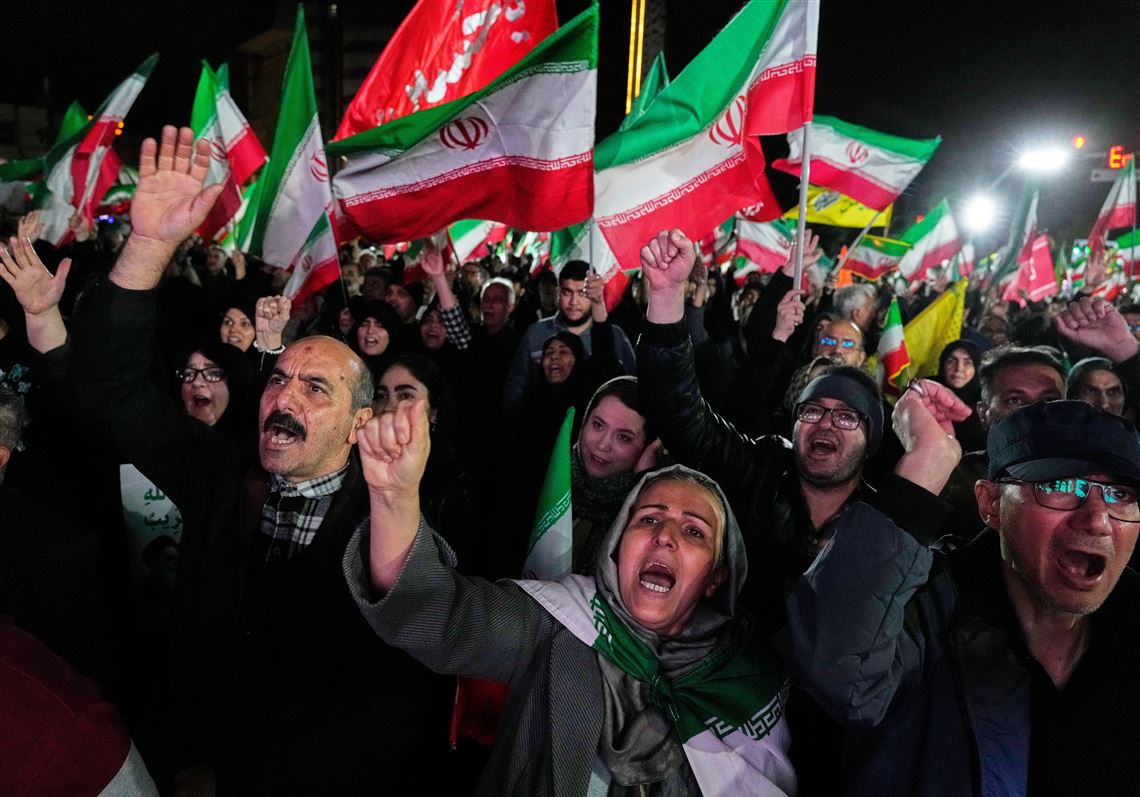
Tehran condemned the US action and accused Washington of violating understandings meant to stabilise maritime traffic and reduce military friction. Washington argued that the strikes were defensive and necessary to protect international shipping. The exchange has placed further pressure on fragile diplomacy after weeks of intermittent hostilities, warnings and back-channel efforts to prevent a wider conflict.
Oil markets reacted nervously, with traders pricing in the risk of further disruption rather than an immediate supply collapse. Energy analysts said a sustained threat to Hormuz would carry greater consequences than isolated attacks, particularly for Gulf exporters, Asian buyers and shipping insurers already facing higher war-risk premiums.
Regional governments are monitoring the confrontation closely. Gulf states have sought to avoid being drawn into direct conflict while preserving export flows, port operations and aviation routes. Naval forces operating in the area are expected to expand surveillance and escort measures if threats to commercial shipping persist.
The crisis also underscores the influence of Iran’s Islamic Revolutionary Guard Corps, whose maritime units have long been central to Tehran’s pressure tactics in Gulf waters. Any further attacks on ships, US assets or Gulf infrastructure could widen the confrontation beyond targeted strikes and force a broader military and diplomatic response.