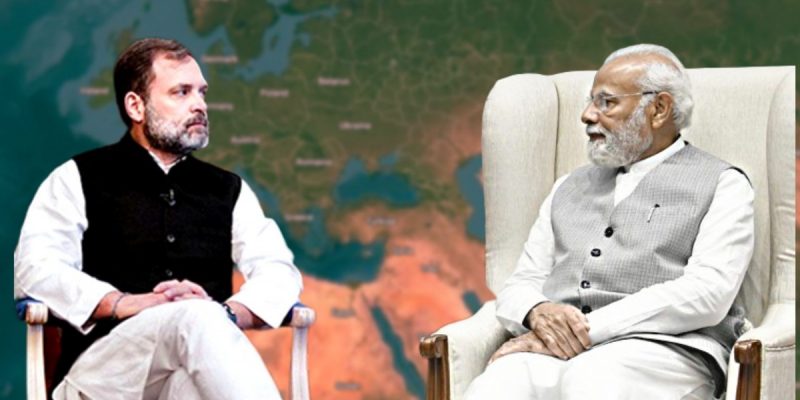
An extended absence of Rahul Gandhi from key campaigning in the forthcoming Bihar assembly elections has become a significant talking point among political observers and rival parties alike. Bharatiya Janata Party national IT head Amit Malviya publicly criticised Gandhi’s lack of presence on the ground, accusing him of prioritising a “Colombia vacation” and “video blogs” over the demands of the electorate. The leadership of Indian National Congress faces fresh scrutiny as Gandhi’s last appearance in Bihar was on 1 September in Patna during the concluding rally of the “Voter Adhikar Yatra”.
The BJP leader’s social-media post boldly asserted that it had been “nearly two months” since Gandhi made a campaign appearance in the state, and contended that the Congress alliance had been relegated “to the margins” of the broader opposition bloc. Malviya’s critique extended to the assertion that Gandhi’s global engagements and online persona signalled a disconnect from Bihar’s grassroots issues. While the opposition alliance, the INDIA bloc, unveiled candidate lists and prepared for polling phases scheduled for 6 and 11 November, no comprehensive seat-sharing agreement had been announced, fuelling further speculation over internal coherence.
Gandhi responded in a rally in Muzaffarpur by shifting focus from personal criticism to policy grievances. He charged Nitish Kumar, the chief minister of Bihar, of serving as a figurehead while real power resided with the BJP, declaring: “Nitish ji’s face is being used. The remote control is in the hands of the BJP.” He contended that ambitions of social justice remained unfulfilled: “You should not think that the voice of the most backward people is heard there. Three or four people control it. BJP controls it.”
The broader electoral context adds layers of complexity. The Special Intensive Revision of voter rolls in Bihar triggered contention, with Gandhi’s yatra asserting it aimed to defend electoral rights. The BJP countered these claims, dismissing them as distraction rather than genuine reform, and pointing to the absence of any formal objection filed by the Congress during the revision process. Gandhi’s insistence on a nationwide caste census and challenge to electoral mechanisms reflect a deep concern within the Congress over structural disenfranchisement and political marginalisation.
Political analysts interpret Gandhi’s reduced visibility in Bihar as symptomatic of larger strategic malaise within the Congress. The party’s grassroots machinery appears under-mobilised compared with the BJP’s intensive campaign apparatus; the NDA coalition’s candidate-distribution strategy is more cohesive, further aided by former allies of the Congress having shifted camp. The opposition’s inability to present a clear seat-sharing formula underscores organisational fragility at a pivotal moment.
Within the Congress, there is growing unease about how Gandhi’s global image and limited presence are being portrayed in the state’s public discourse. One senior party official admitted that Bihar’s campaign environment demands constant, visible engagement—a reality at odds with Gandhi’s sporadic appearances. Rival parties exploit this mismatch, casting Gandhi as detached and the Congress as lacking commitment to Bihar’s electorate.