Jaipur: A district court in Ajmer on Monday admitted a petition asserting that the Ajmer Sharif Dargah complex was originally a Shiva temple and seeking a court-mandated survey of the site, triggering sharp reactions from religious bodies and raising fresh questions over the scope of judicial scrutiny of protected places of worship.
The petition was filed by Rajvardhan Singh Parmar, national president of Maharana Pratap Sena, a right-wing organisation. It urges the court to order an archaeological and structural survey of the dargah premises to determine what the petitioner describes as its “original religious character”. The application also seeks directions to preserve any artefacts or structures that may emerge during such an exercise.
Court officials confirmed that the matter was listed before a civil judge, who admitted the plea for preliminary hearing and sought responses from the parties concerned. Notices are expected to be issued to the Dargah Committee and relevant government authorities. The court has not passed any interim order on conducting a survey.
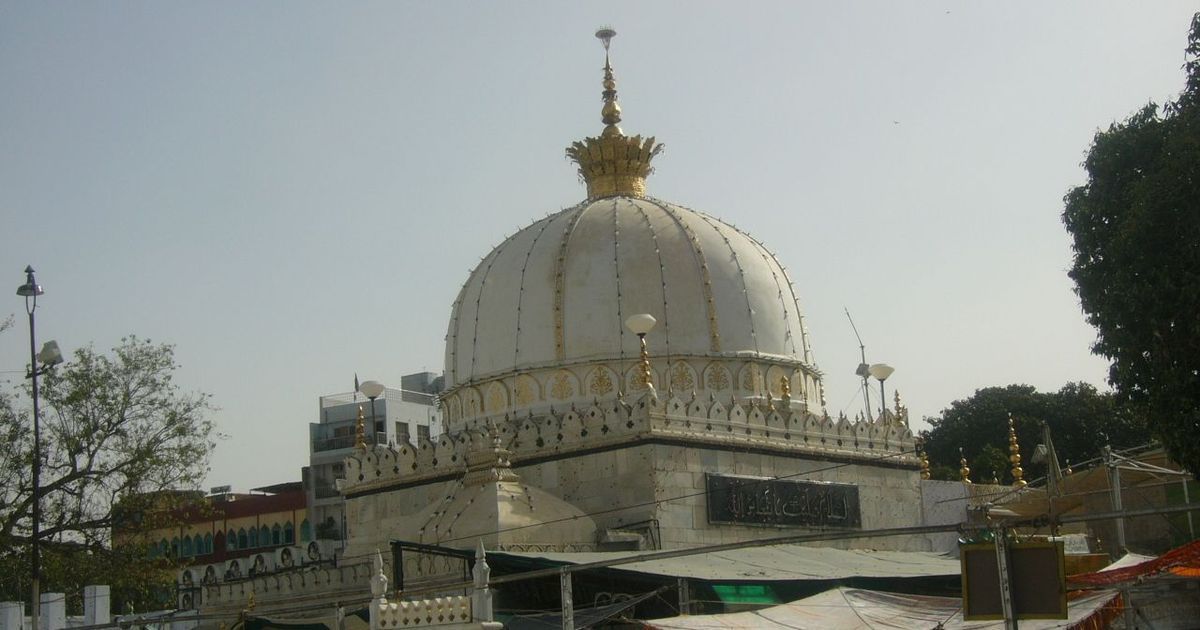
The Ajmer Sharif Dargah, associated with the 13th-century Sufi saint Khwaja Moinuddin Chishti, is among the most revered Islamic shrines in South Asia and draws millions of devotees each year across faiths. The site is administered by the Dargah Committee under a central statute, while aspects of its upkeep involve state authorities.
Representatives of the Dargah Committee said the claim lacked historical basis and warned that such petitions risked disturbing communal harmony. They pointed to established historical records that identify the shrine as a Sufi complex built and expanded over centuries. Legal experts noted that courts have, in other disputes elsewhere, first examined maintainability before considering any fact-finding exercise, particularly where places of worship are involved.
The plea comes amid a broader national pattern of litigation seeking surveys of long-standing religious sites on claims about their origins. Several such cases have moved through trial courts, with higher courts repeatedly underlining the need for restraint and adherence to existing law governing religious places.
In Ajmer, local administrators said security assessments were being reviewed as a precaution, though there was no immediate change on the ground. The next hearing is expected to focus on whether the suit is maintainable and whether the reliefs sought can be considered at this stage.