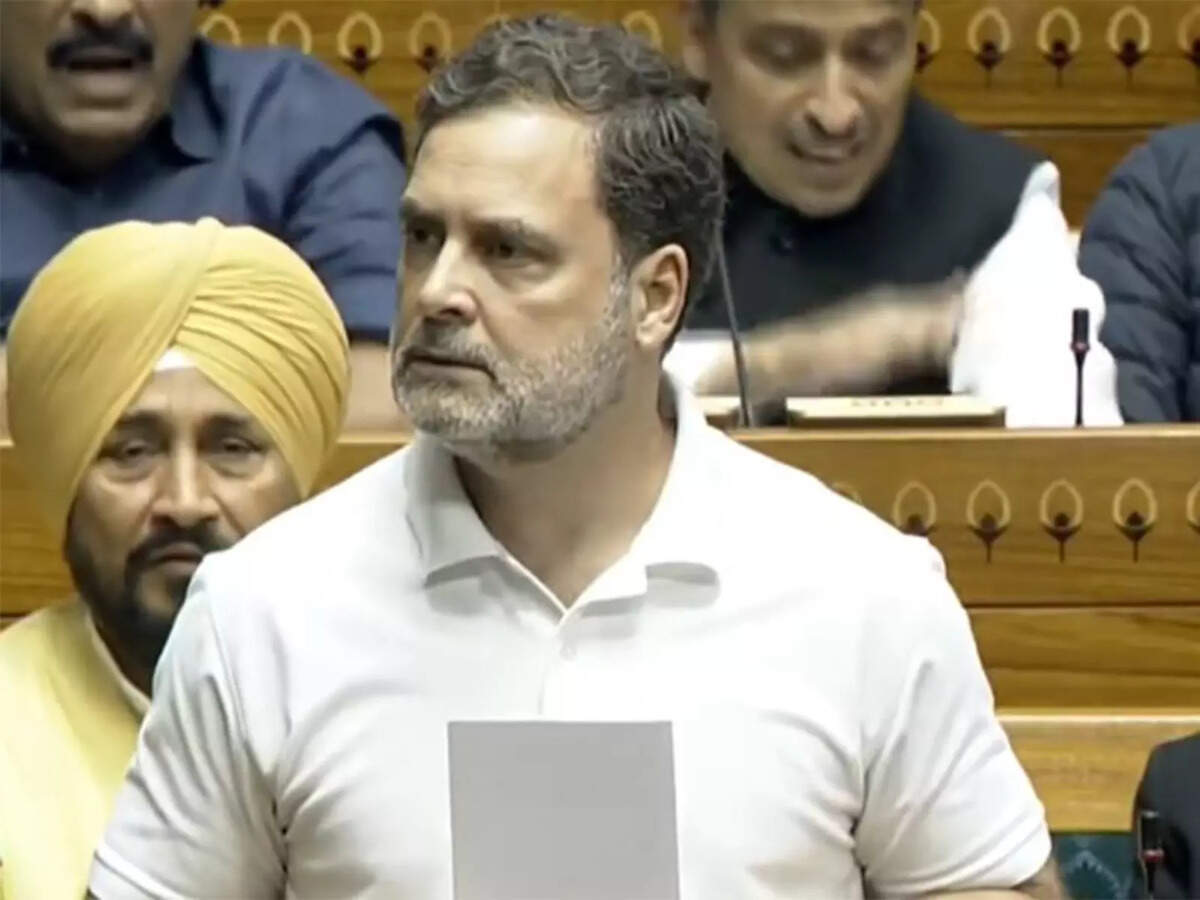
Gandhi, the Leader of the Opposition in the Lok Sabha, said there was “much more to this than meets the eye” and renewed his charge that Modi had compromised national interests to secure relief for the Adani Group chairman.
“A compromised PM was forced to sell India’s interest. India is paying a huge price,” Gandhi said in a post on X. His remarks revived a political confrontation that has persisted since US prosecutors announced charges against Adani and several associates in November 2024.
US District Judge Nicholas Garaufis of the Eastern District of New York approved the Justice Department’s request to dismiss charges against Gautam Adani, Sagar Adani and former Adani Green Energy chief executive Vneet Jaain. The dismissals were with prejudice, preventing prosecutors from bringing those charges again.
The judge’s 47-page order, issued on August 10, covered three counts involving securities-fraud conspiracy, wire-fraud conspiracy and securities fraud. Garaufis stressed that his decision did not amount to a judgment on whether the original allegations were true or false.
No trial had taken place, witnesses had not testified and the prosecution’s evidence had not been tested before a jury. The judge said his approval of the Justice Department’s request should not be interpreted as an endorsement of its assessment of the case.
Garaufis also expressed concern about the process through which senior Justice Department officials reached the decision to abandon the prosecution. He questioned why Principal Associate Deputy Attorney General Trent McCotter had worked closely with defence lawyers while apparently not seeking the views of prosecutors and investigators who had developed the case.
The judge nevertheless said he was satisfied that Adani’s earlier pledge to invest $10 billion in the United States had not influenced the department’s decision. Adani had acknowledged that his lawyers told US authorities the investment commitment might form part of a broader resolution of the legal matters.
The Justice Department had sought dismissal after reviewing the prosecution and concluding that the alleged conduct was predominantly outside the United States, difficult to prove and inconsistent with its enforcement priorities. It also cited jurisdictional difficulties and the absence of identified investor losses.
Gandhi has repeatedly linked developments in the Adani proceedings to Modi’s dealings with the administration of US President Donald Trump. When the Justice Department first moved to abandon the prosecution in May, Gandhi alleged that Modi had secured a bargain benefiting Adani rather than protecting India’s interests.
The government and the Bharatiya Janata Party have rejected Congress allegations of improper links between Modi and Adani. The Adani Group has also consistently denied wrongdoing and maintained that allegations against its chairman and executives were baseless.
The original US indictment alleged that Gautam Adani and associates participated in a scheme involving more than $250 million in proposed bribes to government officials to obtain favourable solar-energy contracts. Prosecutors also accused some defendants of concealing the alleged arrangements while raising money from international investors.
The dismissed counts focused on allegations that investors were misled about anti-corruption practices while billions of dollars were raised through loans and securities. Gautam Adani never appeared before the US court to answer the criminal charges.
Separate civil proceedings had also been brought by the US Securities and Exchange Commission. Gautam Adani later agreed to pay $6 million to resolve civil charges, while Sagar Adani agreed to pay $12 million. Those resolutions were separate from the criminal prosecution.
(IPA Service)