The BJP’s strength in the 245-member Upper House could rise to about 117 after three by-elections in West Bengal scheduled for July 24. A party requires 123 seats to command a simple majority in a fully constituted House. The BJP-led National Democratic Alliance already holds a comfortable majority, with its combined strength projected to reach about 158.
The distinction is politically significant. While the NDA can pass most ordinary legislation without depending on opposition parties, a BJP majority on its own would give Prime Minister Narendra Modi’s party greater freedom in negotiations with coalition partners. It would also represent the first time the party has come within striking distance of independently controlling the Upper House.
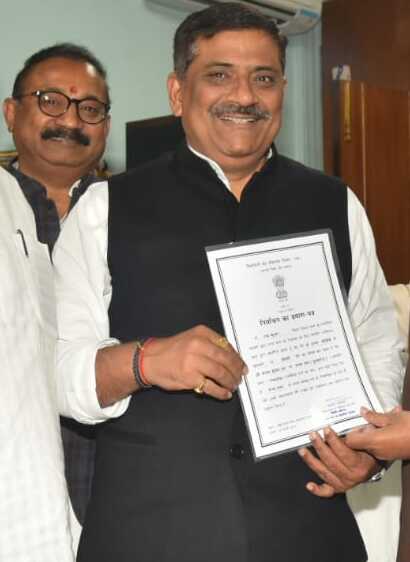
The Election Commission ordered the West Bengal contests after Sukhendu Sekhar Ray, Sushmita Dev and Prakash Chik Baraik resigned from the Rajya Sabha and left the Trinamool Congress during the party’s internal upheaval. All three joined the BJP on July 9 and were subsequently selected as its candidates for the vacant seats.
The BJP is strongly placed to win all three contests because of its commanding position in the 294-member West Bengal Assembly. A candidate will require about 74 first-preference votes under the proportional representation system used for Rajya Sabha elections. Voting and counting will take place on July 24.
The expected gains follow a series of electoral victories, defections and opposition splits that have steadily altered the balance in the Council of States. Seven Aam Aadmi Party members joined the BJP earlier this year, while divisions within the Trinamool Congress and Shiv Sena have further weakened the opposition’s parliamentary strength.
The NDA won 19 of the 26 seats decided during the June round of Rajya Sabha elections. The opposition INDIA grouping secured six, while the Zoram People’s Movement won one. Cross-voting and abstentions also helped the ruling alliance gain seats in states where the original arithmetic had appeared less favourable.
The numbers are expected to give the government greater control over the Monsoon Session beginning on July 20. Legislative priorities could include proposals connected with women’s reservation, constituency delimitation and simultaneous elections to Parliament and state Assemblies.
Ordinary Bills require the support of a majority of members present and voting. The NDA’s existing strength means the government can normally secure passage without seeking help from parties outside the coalition. Money Bills can only be delayed by the Rajya Sabha, although most other legislation must be approved by both Houses.
Constitutional amendments present a more demanding test. Such measures require a two-thirds majority of members present and voting, along with the support of more than half of the total membership of each House. At full strength, the two-thirds threshold in the Rajya Sabha is 164.
The NDA could be about six seats short of that mark after the West Bengal by-elections. The government would therefore still need support or abstentions from parties outside the alliance for constitutional changes, even though it would possess a decisive advantage over the opposition on routine legislation.
Political attention has consequently shifted towards regional groups such as the Dravida Munnetra Kazhagam and the Samajwadi Party. Both remain part of the opposition camp and have offered no commitment to support the government. Their voting decisions could nevertheless become important if constitutional Bills are brought before Parliament.
The Congress-led opposition retains the ability to challenge legislation through debate, committee scrutiny and coordinated floor strategy. Its numerical disadvantage, however, has been compounded by factional disputes and defections across several parties. Maintaining unity will be crucial when votes involve constitutional safeguards, federal powers or electoral rules.