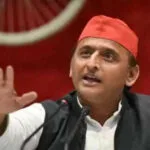
Speaking at a gathering of his faction in Mumbai on Friday, Shinde drew on a popular film line to suggest that current developments were only the beginning. His remarks came as the Uddhav Thackeray-led faction faced renewed pressure after several of its Lok Sabha MPs stayed away from party activity, fuelling talk of a coordinated move to shift allegiance to the ruling camp.
The timing of Shinde’s comments was politically pointed. The Shiv Sena marked its 60th foundation day at a moment when the party founded by Bal Thackeray remains divided between two claimants to his legacy. Shinde’s faction controls the official party name and bow-and-arrow symbol, while Thackeray leads Shiv Sena, which continues to project itself as the inheritor of the original ideological and organisational line.
Shinde told party workers that those who had once questioned his rebellion were now seeing the consequences of what he described as leadership failure in the opposing camp. Without naming every potential defector, he suggested that the situation facing Thackeray was not a passing disturbance but part of a larger political realignment in Maharashtra.
The comments appeared aimed at reinforcing Shinde’s claim that his 2022 breakaway was not an act of personal ambition but a correction demanded by party workers and elected representatives. That argument has remained central to his faction’s narrative since the split that toppled the Maha Vikas Aghadi government and brought the BJP-backed alliance to power.
The immediate trigger for the latest confrontation was the apparent disquiet among Shiv Sena ’s parliamentary ranks. The faction won nine Lok Sabha seats in 2024, giving Thackeray a stronger parliamentary profile than his reduced Assembly presence suggested. Reports of six MPs drifting away would therefore strike at one of the few areas where the UBT camp had retained leverage after the Assembly setback.
Thackeray responded to the rebellion talk with an emotional appeal to party workers, saying he was prepared to step aside if Shiv Sainiks no longer had faith in him. At the same time, he rejected suggestions that his party could merge with the Congress and accused opponents of using pressure tactics to break political rivals rather than defeat them electorally.
The UBT leadership has called lawmakers and senior functionaries for further consultations as it seeks to contain the damage before the Maharashtra legislature’s monsoon session. The party’s immediate challenge is to prevent uncertainty among MPs from spreading to its state-level organisation, where morale has already been tested by the Assembly result and continuing legal disputes over the party split.
Shinde’s camp, by contrast, is seeking to consolidate its position inside the ruling Mahayuti alliance while also absorbing leaders from the rival faction where possible. The BJP remains the dominant force in the alliance, and Shinde’s ability to expand his organisation gives him greater bargaining space within the coalition led by Chief Minister Devendra Fadnavis.
The political contest is also tied to local body elections, where control over the Shiv Sena brand is expected to matter sharply in Mumbai, Thane, Kalyan-Dombivli, Nashik and other urban pockets shaped by the party’s historic network. For both factions, municipal elections will test whether loyalty to Bal Thackeray’s legacy translates into votes after four years of factional struggle.
The Shinde faction believes defections by MPs would create the perception that Thackeray’s grip is weakening beyond repair. The UBT camp is attempting to frame any exit as opportunism by leaders who benefited from the party’s workers and then abandoned them under pressure from the ruling establishment.