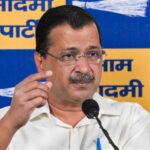
West Bengal’s election battle sharpened on Sunday after Chief Minister Mamata Banerjee accused the BJP of striking a Rs 1,000-crore deal to unseat the Trinamool Congress, using a viral video linked to Aam Janata Unnayan Party chief Humayun Kabir to press her charge of a covert effort to split minority votes and weaken her party before polling.
Speaking at campaign meetings in Bankura district, Banerjee said the controversy could not be brushed aside as fabricated material because, in her telling, the person seen in the clip had already acknowledged its authenticity. She alleged the BJP was working through intermediaries and smaller political formations to engineer a result that it could not secure on its own. Her remarks came a day after Prime Minister Narendra Modi, addressing a rally in Murshidabad’s Jangipur, accused the TMC of circulating fake AI-generated videos as it faced a difficult contest.
At the centre of the row is a video released by the TMC earlier in the week. In the footage, a man identified by the ruling party as Humayun Kabir is purportedly heard saying he was in contact with BJP leaders, including Leader of the Opposition Suvendu Adhikari, and had received Rs 200 crore as an advance on a larger Rs 1,000-crore arrangement. The TMC says the objective was to divide Muslim votes in key constituencies, particularly in Murshidabad, and thereby damage its electoral prospects. The party also demanded an investigation into the alleged money trail. Independent verification of the clip, however, has not been established in reporting carried by national outlets.
Kabir’s own position has added to the confusion. When the video first surfaced, he described it as AI-generated and threatened legal action against Trinamool leaders. Later reporting indicated that he acknowledged the clip was drawn from an actual recording, while arguing that only a selective portion had been circulated and that a longer version would present his remarks differently. That shift has given the TMC political ammunition, even as questions remain over the full context of the conversation and whether the most explosive claims can be conclusively substantiated.
The BJP has rejected the charge outright. Party spokesperson Debajit Sarkar dismissed the episode as political theatre by the ruling camp and suggested the TMC itself might be using Kabir to shape a narrative ahead of voting. Union Home Minister Amit Shah also sought to distance the BJP from Kabir, saying the party would not align with those pursuing divisive agendas merely to gain power. That response reflects the BJP’s need to blunt any impression that it is relying on back-channel arrangements in a state where minority voting patterns can shape outcomes in dozens of seats.
For Banerjee, the issue serves several political purposes at once. It allows her to reinforce a longstanding claim that the BJP uses proxy players to split opposition or minority votes, while also countering Modi’s accusation that the TMC is deploying manipulated content. By invoking a cash-for-political-engineering narrative, she is framing the election as a contest not only over governance but over the integrity of the democratic process. She coupled the charge with other allegations on Sunday, including claims that the BJP was threatening candidates, seeking to polarise communities and preparing to influence polling and counting.
The controversy also throws a spotlight on Kabir’s place in Bengal’s fractured political space. Once associated with the TMC, he later launched the AJUP and emerged as a figure with potential influence in pockets of Muslim-majority Murshidabad. In a tightly fought election, even a modest shift in minority votes could matter in local contests, which explains why the ruling party has treated the tape as evidence of a broader strategy rather than an isolated embarrassment. The BJP, for its part, is trying to turn the accusation back on the TMC by portraying the affair as a manufactured distraction.