By Dr. Gyan Pathak
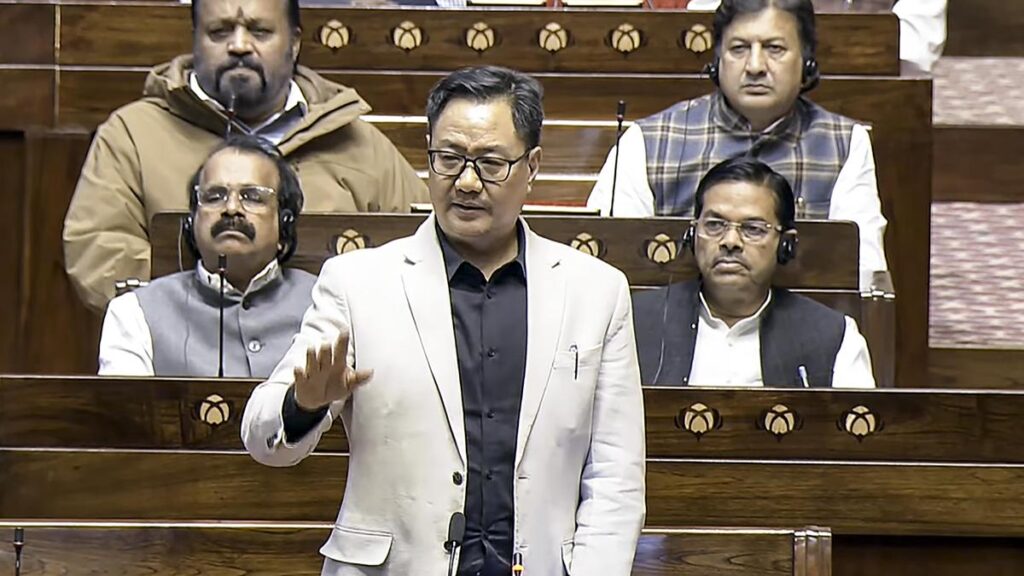
Special Intensive Revision (SIR) of Electoral Rolls in 12 States/UTs are underway amidst strong opposition by the opposition political parties, outside and inside the Parliament of India, where parliamentarians are finally debating it after scenes and disruption created by the opposition on unwillingness of the government on debating it. People are keenly watching it now, while Parliamentarians are debating, for its outcome in terms of concrete electoral reform or change in SIR norm.
Lok Sabha continues the debate over SIR and electoral reform on December 10, 2025, which was opened yesterday, and the Rajya Sabha will take it for discussion on December 11, 2025.The opposition is putting its utmost pressure on the government to take concrete steps for electoral reforms and withdraw the process of SIR, or at least effect suitable changes in the procedure to complete the SIR with justice to all.
People are expecting concrete reforms and changes – for example bringing new electoral-roll preparation rules, greater transparency, and safeguards against alleged voter and electoral manipulations. It is to be watched how government and electoral management bodies, such as Election Commission of India, will respond – whether they address concerns raised over impartiality, data integrity, and voter disenfranchisement, if any. People are also watching it keenly to see what the follow-up proposals, committees, or amendments to election related laws and rules will be made.
Right from the beginning of the Winter Session of the Parliament the opposition was demanding a full parliamentary debate on SIR citing concerns over its fairness, transparency, and potential for disenfranchisement. The Election Commission of India said that the SIR process aims to update and clean up the electoral rolls, but opposition parties claimed that SIR threatens voters’ rights and could be misused. Government was not ready for that in the beginning, but after the two days of disruption, Union Minister of Parliamentary Affairs agreed for debate but only after the debate on 150th anniversary of Vande Mataram debate, but was not ready to give any timeline. Ultimately, both sides agreed for debate on SIR and electoral reforms.
Winter Session 2025, has been scheduled to be held from December 1 to 19 in only 15 sessions. First two days were completely washed out due to disruption in both the Houses – the Lok Sabha and the Rajya Sabha. Attempts were successfully made for a truce between the ruling establishment and the Opposition and on December 3, the Lok Sabha managed to conduct its first disruption-free Question Hour of the session. Normal business resumed though tension over SIR remained.
Full-fledged debate on electoral reforms, with SIR being central, began on December 9 in the Lok Sabha. Senior Congress MP Manish Tewari opened the debate and the Leader of Opposition (LoP) in the Lok Sabha Rahul Gandhi extended the discussion from the Opposition side, levelling serious accusations that the ECI is colluding with the ruling Bharatiya Janata Party (BJP) to “shape elections”.
MPs like Supriya Sule argued that the Election Commission of India (ECI) has “lost independence,” implying that SIR undermines democratic fairness. Some opposition members also demanded a return to older electoral practices, for example, paper ballots, questioning the transparency of SIR and its impact on voter inclusion.
The intensity of the protests by opposition and repeated adjournments show how deeply controversial the SIR has become. Government on the one hand is supporting the process of SIR while the opposition sees it as a threat to free and fair elections in the country. Government made a truce presumably to push its other legislative agenda even amidst political standoff.
The political observers had already warned before the session started, that it would be stormy on account of SIR. The MPs of the ruling camp argued during the first two days disruption that the single issue of SIR should not be allowed to derail the whole session.
Defending the SIR, the government supporting MPs also argued that the SIR exercise in Bihar concluded successfully with no major complaints filed. Nevertheless, they were partially true in reference to ECI. The reality is many complaints has been filed but ECI rejected them on technical ground that they were not filed in the ECI’s format. Additionally, the issue is still in the Supreme Court of India, and many complaints were raised against the SIR process and faulty outcome.
When the debate opened on December 9 in the Lower House, it quickly heated up after leader of the opposition accused the government and the election authorities of undermining electoral fairness. LoP Rahul Gandhi said “vote chori” (vote theft) was the gravest affront to India’s democratic values, that is being done systematically, in which ECI and the Modi government has joined hands. Opposition demanded roll back of the “dubious practice” of SIR.
The debate on SIR is highly polarised, intense and expected to shape how the electoral reforms proceed from here. Parliament is trying to juggle scheduled business (bills, commemorations, etc.) along with the SIR debate, during which repeated protests and outrages of MPs from both the ruling and opposition sides are witnessed.
LoP Rahul Gandhi adopted confrontational and accusatory tone alleging SIR being used for vote theft, ECI no longer acting independently, SIR selectively targets opposition-dominated voter bases. His three questions are – Who controls the SIR date process? Why transparency mission? And why are objections from voters being ignored? He implied that SIR is not an administrative cleanup, but is a political weapon of the ruling party to win the elections with the help of ECI.
SP leader Akhilesh Yadav has made sharp criticism with warning of authoritarian drift. He called SIR a “backdoor NRC”, it mirrors earlier citizenship-filtering exercises, and alleged that poor, minorities, migrants, and rural voters will suffer the most.
NCPSP leader Supriya Sule said ECI’s credibility is at its lowest point in decades. She questions why SIR is being pushed without multi-party consultation, and warned that once voter trust is broken, elections will lost legitimacy.
Congress leader Gaurav Gogoi called SIR “procedurally illegal” and argued it violates due process, natural justice, and equal political rights. He demanded judicial oversight or a parliamentary committee.
TMC leaders said SIR is being implemented selectively in non-BJP states or swing states. They claimed Bengal and opposition-ruled states are being pressure-tested, and alleged data manipulation through private contractors. They alleged that SIR is a tool of electoral engineering.
From Government’s side Union Home Minister Amit Shah gave aggressive rebuttal claiming that SIR is routine, legal, and necessary. He accused opposition of protecting bogus voters, of spreading fear for political survival, and questioned, “if your voters are genuine, why fear verification?” He tried to give a message that the opposition has a fear of losing their fake vote bank.
Union Law Minister Arjun Ram Meghwal said SIR is conducted strictly under existing election law. Other BJP leaders said that Congress ruled states also conducted SIR in the past and accused the opposition of hypocrisy. They claimed SIR strengthens democracy by removing duplicate, dead and migrated voters. (IPA Service)
 New Labour Codes To Compel Indian Workers To Spend More Hours