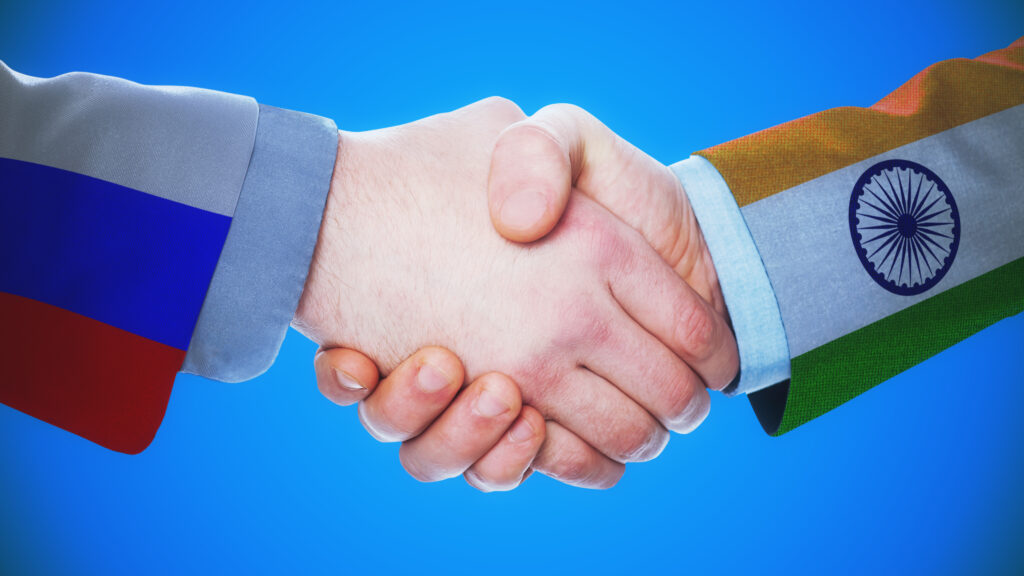
US President Donald Trump has escalated trade tensions with India by threatening that the country will face “massive tariffs” unless it halts imports of Russian crude oil. He claimed to have spoken with Prime Minister Narendra Modi, saying the Indian leader assured him that India would stop buying Russian oil – a claim Indian officials deny.
The warning aligns with the US administration’s broader objective to reduce Moscow’s revenue through oil exports, a key source of funding for Russia’s war in Ukraine. Washington already imposed steep duties on Indian goods — placing tariffs at 50 per cent on many imports — with around half attributed directly to India’s continued Russian oil purchases.
India, while committed to keeping energy prices stable and protecting consumers, made clear that it was not aware of any such conversation between Modi and Trump. “India’s foreign ministry emphasized its goal of ensuring energy security and price stability through diversification,” a recent report noted.
Trade flows between the two countries are already feeling the strain. Exports from India to the US slipped by 12 per cent in September, reaching US $5.5 billion, and have fallen 37.5 per cent over a four-month period, as US tariffs bite.
The current stand-off may test the resilience of US-India ties at a time when energy alliances and supply-chain dynamics are shifting rapidly. India’s reliance on Russian crude is substantial: it has taken a growing share of Moscow’s seaborne exports, with analysts estimating India could account for around 40 per cent of Russian oil exports in 2025.
In response, Indian officials have indicated no immediate plan to slash Russian oil imports, with some refineries already placing orders for November and December deliveries. This suggests any meaningful reduction may not materialise before the end of the year.
At the same time, India is exploring deeper energy ties with the US. Trade Secretary Rajesh Agarwal said India could nearly double its annual US oil and gas imports, currently estimated at US $12–13 billion, without disrupting its refining complex — so long as price conditions remain competitive.
The broader implications touch beyond energy. The heavy US duties — reportedly levied in response to India’s Russian crude purchases — are affecting key labour-intensive export segments in India including textiles, gems, jewellery, marine products and leather goods. In response, India has begun redirecting exports to alternative markets and has already recorded positive growth in 24 countries, according to one report.
From Washington’s perspective, the tariff threat is meant to send a clear message: preferential access to the US market is tied to alignment with its sanctions and strategic priorities. In Trump’s own words: “If they want to say [they did not speak], then they’ll just continue to pay massive tariffs, and they don’t want to do that.”
India’s positioning is more nuanced. While committed to “strategic autonomy” and ensuring energy affordability, New Delhi also describes its trade discussions with the US as “positive” and “forward-looking.” Talks between officials earlier this year indicated movement towards a broader trade deal despite outstanding disagreements over energy and market access.
Analysts believe the next few months are critical. If India opts to reduce Russian oil imports in response to US pressure, significant shifts in the global energy trade could ensue — with Russia redirecting volumes to other purchasers, possibly China, or turning to more opaque shipping channels to circumvent tracking.
For now, New Delhi has reiterated that its energy policy remains guided by national interest and consumer-price considerations, rather than external diktats. RBI Governor Sanjay Malhotra added that despite the tariffs, India’s growth fundamentals remain “very strong” and the situation “not a matter of huge concern.”
With both energy strategy and export-market access at stake, the evolving dynamics between Washington and New Delhi will be watched closely by businesses and governments alike.
 “Votes of Namak Haram Not Wanted,” Says Union Minister