The district prosecutor’s office in Lublin said on Sunday that preliminary examinations of debris showed the objects were Russian Kh-101 missiles, correcting an earlier assessment that two missiles and a jet-powered drone had crossed the border on Friday. Investigators said the weapons had been manufactured during the fourth quarter of 2026 at facilities in Dubna, near Moscow. Authorities have not released complete forensic findings to date.
NATO’s North Atlantic Council is due to discuss the incident in Brussels on Monday as Warsaw seeks stronger protection along the alliance’s eastern frontier. Poland’s defence minister, Wladyslaw Kosiniak-Kamysz, said allied support would be strengthened and that proposals would be considered at the meeting.
The findings add a significant detail to the investigation but do not independently establish whether the missiles were deliberately directed towards Poland. Prime Minister Donald Tusk has accused Moscow of an intentional provocation, suggesting the timing was connected to multinational military exercises under way in southeastern Poland.
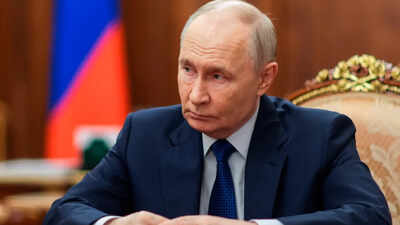
British Defence Secretary Wes Streeting called the airspace violations “an outrageous provocation” during a visit to Kyiv on Saturday. He said attempts by Russian President Vladimir Putin to discourage European assistance to Ukraine would instead prompt greater support from participating governments.
NATO Secretary-General Mark Rutte, speaking in Warsaw on Saturday, described the breach as dangerous and reaffirmed the alliance’s commitment to Poland. “NATO will defend every inch of Polish territory,” he said, adding that allied aircraft and air defence systems had responded as the objects approached the border.
Rutte said NATO’s senior military command was reviewing the response and would consider adjustments where necessary. Polish F-16 fighters were supported by allied aircraft, while ground-based radar systems monitored the incoming threats. The missiles were not intercepted over Polish territory.
The incident unfolded as Russia launched a major overnight assault against Ukraine. Ukrainian President Volodymyr Zelenskyy said Russian forces had deployed more than 400 attack drones and over 110 missiles, striking civilian infrastructure and causing casualties. Polish authorities subsequently identified impact sites in the southeast of their country, close to the Ukrainian frontier.
Initial military assessments suggested that one Kh-101 missile had fallen roughly 50 kilometres from the border and another object about 30 kilometres away. Prosecutors’ identification of three missiles supersedes earlier descriptions of one of those objects as a drone, although the investigation into their flight paths and intended targets continues.
Poland has not announced that it considers the incident an armed attack requiring NATO’s collective defence provisions. Article 5 of the North Atlantic Treaty provides for collective assistance following an armed attack, but an airspace violation does not automatically trigger that mechanism. Any alliance response must take account of the circumstances and evidence.
Tusk said the timing of the incursion appeared unlikely to be coincidental. European forces were conducting exercises at Nowa Deba as part of preparations for a possible multinational mission to support Ukraine after a ceasefire or settlement. The exercises involved troops from countries working together on possible security arrangements.
British defence intelligence chief Matthew Jones warned separately that miscalculation presented a serious danger. Speaking on Friday, he said he did not believe Russia was actively seeking war with NATO, but identified the possibility of an unintended escalation as a major concern.
Kosiniak-Kamysz said he had discussed operational requirements with NATO’s Supreme Allied Commander Europe, General Alexus Grynkewich. He also thanked Rutte for the alliance’s commitment to strengthening Polish border defences, without publicly detailing the additional equipment or deployments under consideration.
Moscow had not publicly addressed the Polish findings by Sunday. The unanswered question of intent remains central to Warsaw’s investigation and NATO’s assessment, particularly because the objects entered alliance territory during a large Russian strike on neighbouring Ukraine.
Polish officials also warned on Sunday about false online allegations surrounding separate accounts of drone activity near Russia’s Kaliningrad exclave. Deputy Digital Affairs Minister Pawel Olszewski said misleading claims had sought to implicate Polish, Lithuanian and German forces in an alleged attack. Lithuania rejected assertions that its territory or airspace had been used. Kaliningrad Governor Alexei Besprozvannykh said a local alert concerned a suspicious object approaching from Lithuania, but reported no damage or casualties.