


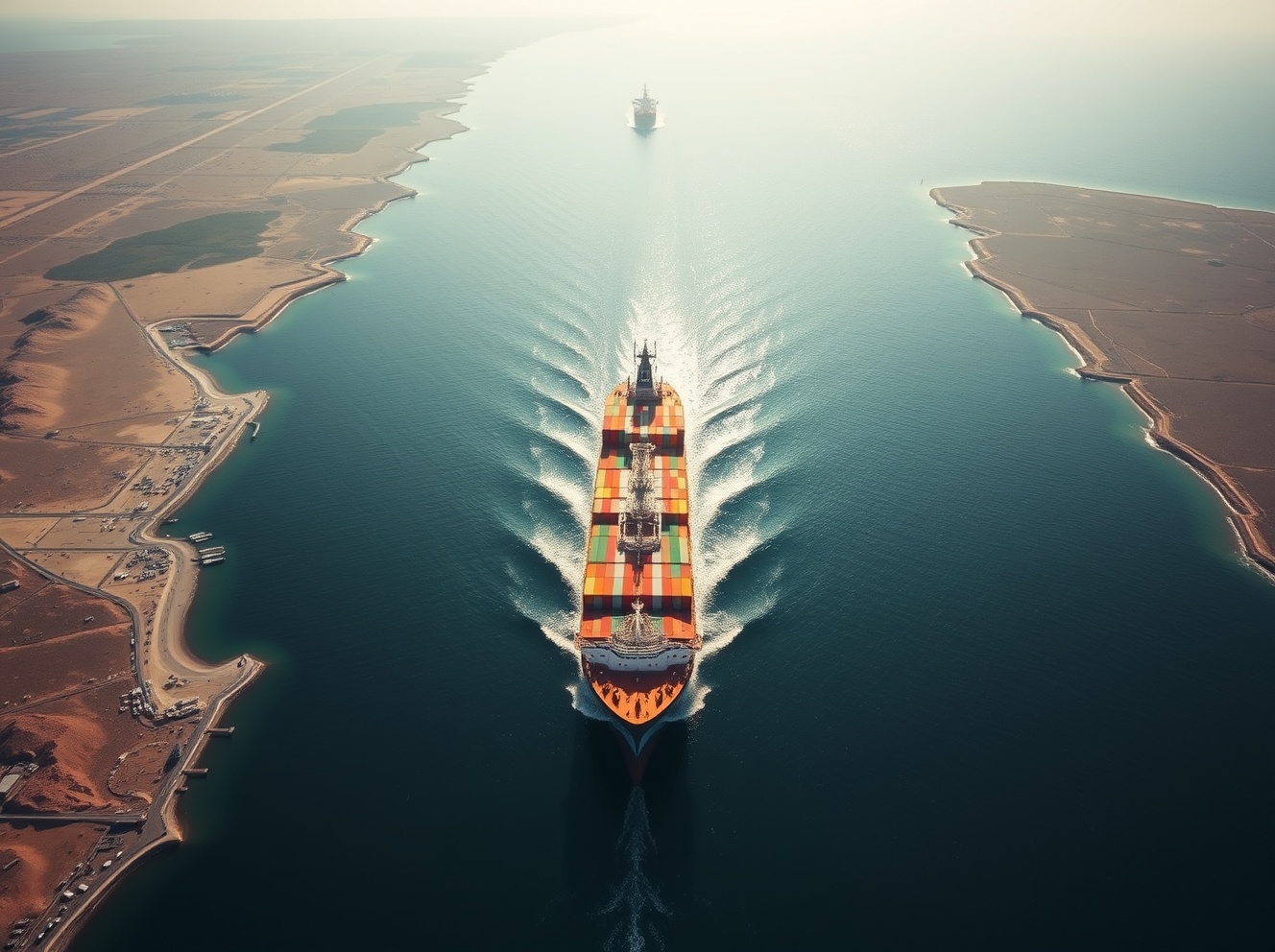
Iran and Oman are close to finalising an agreement governing maritime traffic through the Strait of Hormuz, raising hopes that months of disruption along the vital energy corridor could ease as wider diplomatic efforts gather pace.
Iranian Foreign Minister Abbas Araghchi told a cabinet meeting on Sunday that negotiations with Muscat were “on the path towards finalisation” and had entered their concluding phase. The talks centre on a proposed navigation arrangement intended to protect the interests and security of both countries while restoring more predictable commercial passage through the waterway.
Tehran has stopped short of promising an unconditional return to the system that existed before the conflict. Foreign Ministry spokesman Esmaeil Baghaei said the emerging understanding should not be interpreted simply as a decision to open or close the strait. Instead, Iran and Oman are discussing a revised route and regulatory framework that would reflect the changed security conditions.
The lack of publicly disclosed details leaves significant questions unresolved. Negotiators must determine how vessels will be routed through Iranian and Omani waters, which authorities will supervise traffic, whether security inspections will be imposed and how commercial ships will be protected from attacks.
Oman had proposed a Gulf-backed framework that included separate shipping lanes and the possibility of voluntary payments linked to passage. Iran rejected joint regional management of the strait, regarding it as an infringement on its sovereign and security interests, and submitted an alternative proposal.
The latest movement suggests the two sides may have narrowed their differences without settling every point. Oman has maintained that navigation must conform to international law and remain safe and free, while Iran argues that the pre-war arrangement cannot be restored without addressing the military pressure, sanctions and maritime restrictions directed against it.
The negotiations have gained urgency as Washington and Tehran prepare for another diplomatic engagement. US President Donald Trump said talks with Iran would begin on Monday after he halted plans for additional military action. He gave no deadline for reaching an agreement but said discussions would cover the Strait of Hormuz and Iran’s nuclear programme.
Trump portrayed the pause as an opportunity for a rapid settlement. Iranian officials, however, have disputed claims that Tehran asked Washington to cancel military operations. The competing accounts underline the fragility of the diplomatic opening and the absence of an agreed narrative about how it emerged.
Gulf governments have intensified efforts to prevent another round of strikes. Saudi Arabia, Qatar, Oman and other regional actors have pressed for negotiations, warning that further military escalation could expose energy infrastructure, ports, cities and US facilities across the region to retaliation.
The Strait of Hormuz remains central to those calculations. Roughly a fifth of internationally traded oil and gas has historically passed through the narrow channel connecting the Gulf with the Arabian Sea. Restrictions, attacks on vessels and heightened insurance risks have sharply reduced traffic, forcing exporters and shipping companies to consider costlier routes and contingency plans.
Financial markets responded immediately to the prospect of de-escalation. Brent crude fell more than 5 per cent to about $83 a barrel on Monday, while West Texas Intermediate dropped almost 6 per cent to below $80. Oil had climbed by more than 20 per cent during the previous month as tanker attacks and threats of renewed US-Iran hostilities raised concerns about supply.
The price movement reflects expectations rather than restored shipping conditions. Vessel traffic remained subdued during the weekend, and maritime operators continued to assess security warnings, insurance costs and the risk that negotiations could collapse.
Israel has also signalled that diplomacy will not remove its willingness to act against Iran’s nuclear and missile programmes. That position could complicate negotiations if Tehran demands guarantees against future attacks as part of any maritime or nuclear understanding.
Oman’s role gives the negotiations an established diplomatic channel. Muscat has repeatedly served as an intermediary between Iran and the United States, combining close working relations with Tehran and strategic ties with Washington and other Gulf capitals. Its position beside the southern side of the strait also makes it essential to any workable navigation system.
(IPA Service)






