The government has warned Air India to strengthen operational oversight and accept full responsibility for safety as authorities move to tighten drug-testing requirements across the aviation sector following a serious mid-air incident involving one of the airline’s Airbus A320 aircraft.The Civil Aviation Ministry has directed the Directorate General of Civil Aviation to accelerate revisions to its rules governing tests for psychoactive substances and increase the proportion of safety-sensitive aviation personnel subjected to mandatory screening. The intervention signals tougher regulatory scrutiny of both airline management systems and employee fitness standards.Air India, meanwhile, has begun mandatory substance screening for all its pilots, extending checks beyond existing regulatory requirements. The programme covers pilots at Air India and its budget subsidiary Air India Express and involves more than 5,000 flight crew members. Tests are being conducted alongside training sessions, following flights and at designated locations linked to pilots’ home bases.
Existing DGCA rules require airlines to randomly test at least 10 per cent of flight crew annually for specified psychoactive substances. Air India’s decision to test its entire pilot population represents a significantly wider internal safety exercise, aimed at reinforcing confidence in the carrier’s operational standards.
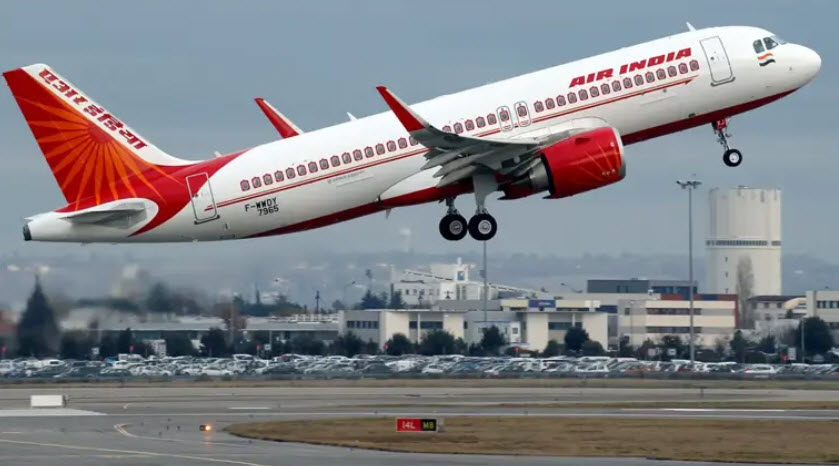
Government concern intensified after Air India flight AI2379, operating from Phuket to Delhi on August 4, suddenly lost about 300 feet of altitude during cruise. The Airbus A320neo, registration VT-EXO, stabilised and subsequently landed safely in Delhi. Twenty passengers and four crew members were injured in the episode. The aircraft was carrying 137 passengers and eight crew members.
The captain subsequently tested positive for marijuana in a confirmatory drug test. Authorities have not established any connection between that result and the aircraft’s sudden altitude loss, and investigators are examining technical, operational and human factors before determining the cause of the incident.
A preliminary Airbus assessment has added a significant technical dimension to the investigation. The aircraft briefly lost functionality in all three hydraulic systems, leaving its elevators and ailerons unavailable for roughly four seconds. Those flight-control surfaces govern crucial pitch and roll movements. The first officer applied a full nose-down command during the episode, but the controls did not immediately respond before the hydraulic systems recovered.
Airbus has asked Air India to conduct additional checks on the aircraft’s systems and sensors and provide further technical information. The assessment has not identified a root cause. The Aircraft Accident Investigation Bureau has classified the occurrence as a serious incident and is investigating with technical assistance from Airbus and France’s Bureau of Enquiry and Analysis for Civil Aviation Safety.
Post-flight technical records have also indicated multiple warnings involving hydraulic pressure, flight controls and autopilot functions around the time of the altitude loss. The expanding evidence has reinforced the need for investigators to distinguish between technical failures and separate questions involving crew fitness rather than drawing an early causal connection between the two.
The government’s instructions to the DGCA are expected to lead to broader testing coverage and a review of how positive results are handled. One issue under examination is whether regulations should distinguish more clearly between prohibited substance use and positive findings caused by legitimate medication for conditions such as pain or allergies, while imposing stronger consequences where substance dependence or unauthorised consumption is established.
The tougher approach comes as Air India remains under heightened scrutiny over safety management and operational discipline. The airline has sought to expand rapidly while integrating operations following its restructuring under Tata ownership, placing greater demands on training, maintenance, crew management and internal monitoring systems.
Civil Aviation Minister Ram Mohan Naidu has said the government is treating the pilot drug-test case seriously, while aviation authorities have sought updates on the regulatory framework governing psychoactive-substance screening. Both pilots involved in the Phuket-Delhi flight were removed from flying duties while inquiries proceeded.
Air India’s management has told pilots that passenger trust must be protected and sustained, framing the expanded screening programme as an additional safeguard rather than a replacement for regulatory testing. Once the comprehensive exercise covering all pilots is completed, the carrier will remain subject to the DGCA’s continuing testing requirements and any tougher standards introduced after the regulator completes its review.