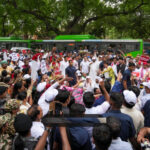
The appeal followed the detention of media personnel during protests on October 10 and 11 against Chief Election Commissioner Gyanesh Kumar. CPJ subsequently documented at least 37 journalists detained across Delhi, Ahmedabad and Pune, including 35 in the capital, with several alleging assault or other obstruction.
The New York-based press freedom organisation said some detentions continued after Solicitor General Tushar Mehta assured the Supreme Court on Sunday, October 11, that journalists, lawyers and other professionals would not be prevented from working. The court recorded that assurance while hearing petitions concerning police restrictions and alleged unlawful detentions.
Kunal Majumder, CPJ’s Asia-Pacific programme coordinator, said the incidents violated journalists’ constitutional rights and international press freedom standards. He called for accountability for officers accused of assaulting or obstructing reporters and said the assurances made before the country’s highest court should be respected.
The Supreme Court bench comprising Justices Joymalya Bagchi and V Mohana directed authorities to prevent illegal detention, particularly of people participating in peaceful, unarmed assemblies outside areas covered by prohibitory orders. It also required that journalists and other professionals be permitted to discharge their responsibilities.
The judges addressed restrictions on transport and movement imposed during the demonstrations. Their interim directions called for public movement to be maintained, subject to legitimate law-and-order and traffic requirements, and for internet services to function without obstruction. Further consideration of the petitions was scheduled for October 13.
Journalists described being taken into custody despite displaying identification. Three reporters working for the Hindi edition of The Indian Express were detained at Connaught Place on October 11 while covering the protests. They were taken in a police bus and released about 45 minutes later at Chhatrasal Stadium, approximately 12 kilometres away.
CPJ also documented the detention of journalists from Malayalam-language television channels. It said Asianet News reporter Sajin A was released after about half an hour, citing confirmation from the channel’s Delhi bureau leadership. Other journalists described being pushed, threatened or prevented from filming police action against protesters.
At Connaught Place, Peek TV reporters Vedanta Agarwal and Sara Khan were detained while filming police officers taking demonstrators into custody, CPJ said. Khan alleged that a male police officer grabbed her by the neck and pushed her towards a female officer. These allegations have not been independently adjudicated.
The watchdog identified further detentions during solidarity demonstrations outside Delhi, including those of Alt News correspondent Kinjal in Ahmedabad and Scroll journalist Divya Aslesha in Pune. Its tally covered incidents recorded through interviews, newsroom accounts and material examined by the organisation.
Press freedom groups have sought explanations for police conduct and safeguards against further interference with news gathering. The Press Club of India also condemned the treatment of reporters, while Reporters Without Borders expressed concern over restrictions on coverage during the protests.
Delhi Police have said the security arrangements around the demonstrations were intended to maintain public order. Police also described the preventive arrest of three Cockroach Janta Party leaders as a lawful measure and said appropriate procedures had been followed. Those statements did not specifically address every allegation involving journalists.
The protests were organised by the youth-led Cockroach Janta Party and supported by student organisations and opposition groups. Demonstrators demanded Kumar’s resignation over allegations that revisions to electoral rolls had excluded eligible voters. The Election Commission has rejected accusations of manipulation, while the government has denied wrongdoing.
Authorities deployed substantial police contingents, erected barricades and imposed transport restrictions as protesters attempted to gather around central Delhi. The measures prompted legal challenges over access to public transport, freedom of movement and the scope of police powers during demonstrations.
The Supreme Court proceedings arose partly from allegations that transport shutdowns contravened an earlier judicial direction against blanket disruptions. The court also asked authorities to remove notices suggesting restrictions applied around its premises, to avoid deterring access to courts. It issued notices in the relevant proceedings but dispensed temporarily with the personal appearance of officials named in the contempt petition, pending further examination of the allegations. The October 11 hearing also considered complaints about detention of people outside zones where prohibitory measures were in force.