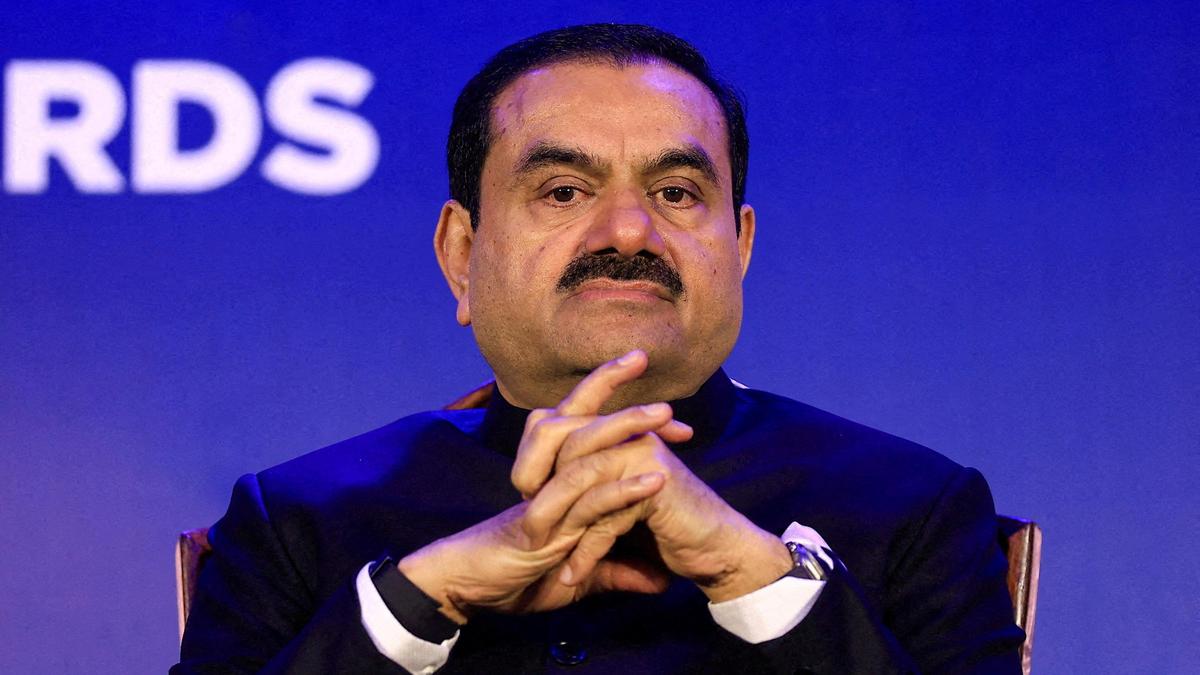
US District Judge Nicholas Garaufis on Monday approved the Justice Department’s request to dismiss the indictment with prejudice, permanently ending the prosecution arising from allegations of fraud and an alleged bribery scheme connected with solar-power contracts. The ruling removed one of the most significant legal uncertainties facing Adani and his conglomerate since the charges were unveiled in November 2024.
“I welcome the US court’s decision with humility and deep respect for the judicial process,” Adani said in a post on X on Tuesday. He thanked those who had maintained faith in him and said the group would continue building businesses, creating long-term value and contributing to national development.
The dismissal followed an unusual period of judicial scrutiny after federal prosecutors asked to abandon the case. Garaufis had initially declined to approve the government’s request without further explanation, questioning whether the reasons offered for withdrawing a high-profile prosecution were sufficient.
The Justice Department subsequently told the court that continuing the case was not justified by its enforcement priorities and that the prosecution faced substantial legal and evidentiary difficulties. Much of the alleged conduct occurred outside the United States, key witnesses and evidence were abroad, and prosecutors faced challenges establishing the US nexus required to sustain portions of the case.
Garaufis ultimately accepted the government’s decision but expressed concern over how the withdrawal had been handled. He scrutinised whether any outside consideration had influenced prosecutors, including Adani Group’s previously announced intention to invest $10 billion in the United States.
The judge concluded that the investment commitment had not improperly influenced the decision to seek dismissal. Adani had also submitted a sworn declaration stating that he knew of no promise, arrangement or exchange connected with the government’s decision to abandon the prosecution.
The court nevertheless questioned aspects of the Justice Department’s internal process. Principal Associate Deputy Attorney General R Trent McCotter had described himself as the final and sole decision-maker on the move to withdraw the charges, without relying on the views of investigators and prosecutors who had worked directly on the matter.
The original indictment, unsealed in the Eastern District of New York in November 2024, named Adani, his nephew Sagar Adani, former Adani Green Energy chief executive Vneet Jaain and other defendants. Prosecutors alleged that executives participated in a scheme involving about $250 million in promised bribes to government officials to obtain favourable solar-energy agreements.
The case also alleged that investors in the United States were misled while billions of dollars were raised from international financial markets. Adani and the group consistently rejected allegations of wrongdoing and challenged the legal and factual basis of the prosecution.
The criminal charges had created repercussions beyond the courtroom. Adani Group shares fell sharply after the indictment became public, while financing arrangements and international projects came under closer scrutiny. Several overseas business initiatives were reassessed as lenders, governments and commercial partners evaluated the implications of the US proceedings.
Parallel civil proceedings brought by the Securities and Exchange Commission moved towards settlement earlier this year. Gautam Adani agreed to a $6 million civil penalty and Sagar Adani to a $12 million penalty to resolve allegations involving representations made to investors. The settlements were reached without admitting or denying the SEC’s allegations.
Adani Enterprises separately agreed to pay $275 million to settle a US Treasury Department matter concerning apparent violations of sanctions involving Iran. That action was separate from the solar-contract prosecution dismissed by the New York court.
The Justice Department’s decision to withdraw the criminal case marked a significant reversal from the position taken when prosecutors announced the indictment less than two years ago. The government told the court that the alleged conduct was primarily centred abroad, that the evidentiary landscape presented difficulties and that the prosecution no longer fitted its enforcement priorities.
(IPA Service)