Sharma said the Special Intensive Revision (SIR) had raised serious constitutional and legal concerns, particularly over the removal of names from voter lists. He expressed confidence that the Supreme Court would safeguard electoral rights, while urging the Commission to address questions about its independence and credibility.
Speaking in Shimla on Sunday, Sharma described demonstrations against the revision exercise as protests led by young people. He defended the opposition’s responsibility to raise questions about electoral fairness and called for greater transparency from the constitutional authority responsible for conducting elections.
“The Election Commission must command the confidence of all political parties and the electorate,” he said. Sharma argued that controversies surrounding the poll body could not be dismissed and that the institution needed to respond in ways that strengthened public trust.
He also called for Chief Election Commissioner Gyanesh Kumar to leave office, pointing to objections attributed to the Commission’s two other members. The Commission has maintained that decisions concerning the revision were taken unanimously, rejecting suggestions that its electoral work was driven by partisan considerations.
The Supreme Court is already considering fresh complaints about deletions and the Commission’s decision-making. On October 15, it issued notice following a petition brought by Congress leader Rahul Gandhi and other opposition figures, seeking records relevant to decisions taken during the revision process.
That scrutiny follows a significant judgment delivered on May 27, when the Supreme Court upheld the Commission’s legal authority to undertake a Special Intensive Revision in Bihar. The court concluded that accurate electoral rolls were essential to free and fair elections and found sufficient justification for a special verification exercise.
The judgment did not, however, remove the requirement to follow lawful procedures or settle every dispute about individual entries. Complaints about wrongful deletion, documentation and opportunities for affected voters to challenge decisions have continued to reach judicial forums and electoral officials.
Opposition parties allege that the revision has excluded legitimate voters, including people unable to satisfy documentation requirements or correct administrative mistakes promptly. The Commission says its objective is to remove duplicate, deceased and otherwise ineligible entries while retaining qualified electors.
Questions have also emerged about registration procedures for people whose names were removed. The Supreme Court has examined concerns over the use of Form 6, which is designed for applicants seeking inclusion in the electoral roll, including situations involving previously registered voters seeking restoration.
The Commission’s voter services portal provides facilities for registration, checking electoral details, tracking applications, filing appeals and submitting complaints. Those mechanisms remain important for electors attempting to establish whether they are registered or contest a deletion.
Sharma maintained that confidence in the electoral system depended not simply on the Commission’s constitutional powers but also on its willingness to explain contested decisions. He said institutions charged with administering elections must retain the confidence of political parties as well as ordinary citizens.
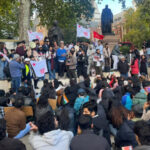
His remarks come amid opposition protests seeking greater accountability over the revision and over Kumar’s leadership. Demonstrators have demanded protections against wrongful exclusions, while the governing Bharatiya Janata Party has dismissed allegations that the revision was designed to favour it electorally.
Sharma cautioned against describing ordinary electoral changes as “regime change”. Governments, he said, could be replaced through the ballot box without altering the constitutional system. He argued that political fortunes ultimately depended on voters’ decisions rather than predictions about which party might benefit from a controversy.
Asked whether the electoral dispute and other political questions could help Congress, Sharma declined to predict the results of forthcoming elections. He said voters would weigh several considerations, including government performance and how public institutions dealt with complaints.
The electoral dispute has also prompted complaints in constituencies where voters say they discovered discrepancies in their entries. Election officials have pointed to registration and correction procedures, although critics argue that access to those remedies does not resolve questions about how entries were removed.
Himachal Pradesh, where Sharma spoke, is expected to hold its next Assembly election in 2027. Sharma also said the state’s Congress government would be judged partly on whether it fulfilled promises made to voters at the 2022 election.