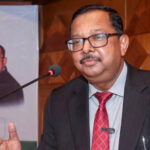
The Hyderabad Lok Sabha MP, speaking at the 57th Jalsa-e-Milad-un-Nabi at Milad Maidan on Saturday, October 3, urged the Election Commission to act against anyone filing fraudulent objections. He said his party would not remain silent if genuine Muslim voters were targeted for deletion.
Owaisi said protests larger than demonstrations held at Delhi’s Jantar Mantar could take place on Hyderabad’s streets if the alleged practice continued. He accused BJP and Sangh Parivar activists of seeking to use Form 7 to remove Muslim names, an allegation rejected by the BJP.
The dispute has intensified after complaints involving Form 7 applications surfaced in Musheerabad and Goshamahal constituencies. Telangana Chief Electoral Officer C Sudarshan Reddy said on Sunday that disputed applications examined by election authorities in the two constituencies were incomplete or inadequately filled and had been rejected.
The CEO’s office has also said strict action would be taken if inquiries established that people were being targeted through bulk applications. Reddy had earlier said applications received in bulk must be properly investigated and verified before any deletion, with electoral authorities required to pass reasoned orders. Election officials have stressed that incomplete applications will not be acted upon and that each contested entry must be assessed under procedure before a registration officer decides.
Election Commission rules make Form 7 the prescribed application for objecting to the proposed inclusion of a person or seeking deletion of an existing entry in an electoral roll. Permitted grounds include death, being under age, permanent relocation, duplicate enrolment and lack of citizenship.
The Commission’s guidelines state that an applicant must provide their name, electoral photo identity card number and contact details, specify the elector whose entry is challenged and give the reason for the objection. The burden of substantiating the stated ground rests with the applicant. A false declaration is punishable under the Representation of the People Act, 1950.
Owaisi questioned applications in which, he alleged, details identifying the objector were missing. He asked the Election Commission, Telangana’s Chief Electoral Officer and district election authorities to scrutinise Form 7 submissions and establish who had filed them before acting on requests for deletion.
The controversy followed a complaint concerning Musheerabad, where applications were filed seeking deletion of 31 electors, including a Congress booth-level agent and members of his family. The applications were alleged to have been submitted by a BJP booth-level agent on grounds including duplicate enrolment. Election officials conducted inquiries into the objections.
Another dispute arose in Goshamahal after a booth-level officer refused to accept a set of pre-printed Form 7 applications that did not satisfy prescribed requirements. Telangana Congress circulated a video of the encounter while alleging an attempt at bulk deletion of voters.
The BJP has denied that its booth-level agents submitted bulk applications improperly. Telangana BJP president N Ramchander Rao said merely filing Form 7 did not result in a voter being removed and argued that election officials conduct field inquiries before taking a deletion decision.
BJP representatives also challenged Owaisi to provide evidence of wrongdoing to the competent authorities. Party spokesperson N V Subhash defended the use of Form 7 against people whom he described as Rohingyas lacking citizenship, while accusing AIMIM, Congress and BRS of supporting their enrolment. Those assertions have not established that the Hyderabad electors named in the disputed applications were ineligible.
Owaisi’s intervention puts additional political pressure on election authorities as the claims-and-objections stage of the SIR approaches its October 7 deadline. The revision has brought heightened scrutiny of deletion requests because objections can affect an elector’s inclusion in the final roll.